

The Etruscan Chandelier of Cortona
The Etruscan Chandelier of Cortona, a bronze masterpiece from the 5th century BC, was discovered in 1840 in the Fratta area and later acquired by the Accademia Etrusca after lengthy negotiations. Richly decorated with mythological motifs, it was likely used in sacred contexts. It is one of the most renowned and significant pieces of the MAEC, an extraordinary example of Etruscan bronze craftsmanship for its technique and symbolic value.
The Etruscan Chandelier of Cortona
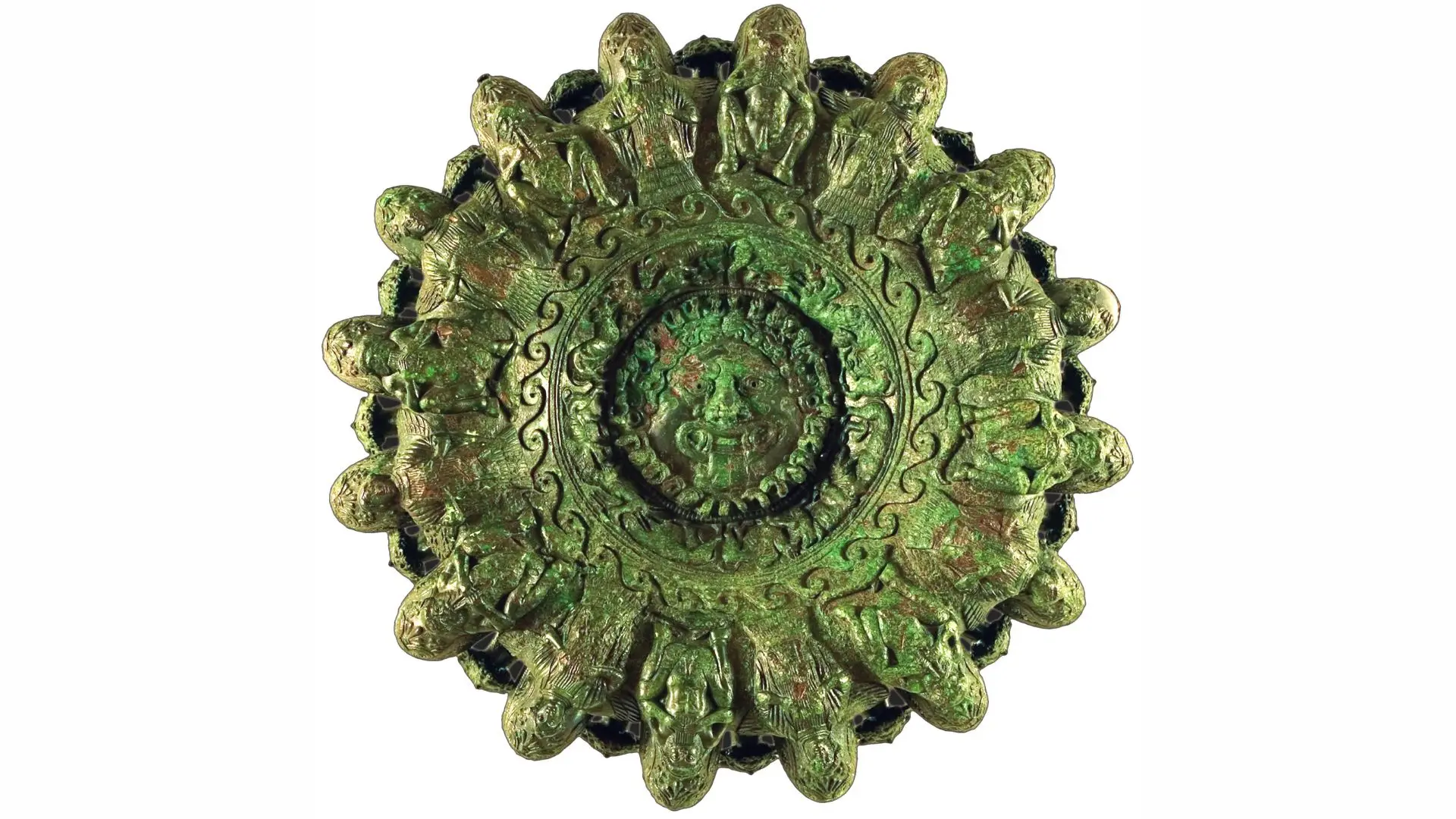
The Etruscan Chandelier of Cortona, a bronze masterpiece from the 5th century BC, was discovered in 1840 in the Fratta area and later acquired by the Accademia Etrusca after lengthy negotiations. Richly decorated with mythological motifs, it was likely used in sacred contexts. It is one of the most renowned and significant pieces of the MAEC, an extraordinary example of Etruscan bronze craftsmanship for its technique and symbolic value.
The Etruscan temple
The Chandelier was originally placed in an Etruscan temple, a sacred building dedicated to the gods, characterized by a rectangular floor plan and a high access platform. Unlike Greek temples, it had only one columned façade and often three inner chambers. Made of perishable materials such as wood and terracotta, today only the stone foundations remain. A small plaque was also found near the Chandelier.
The Etruscan temple
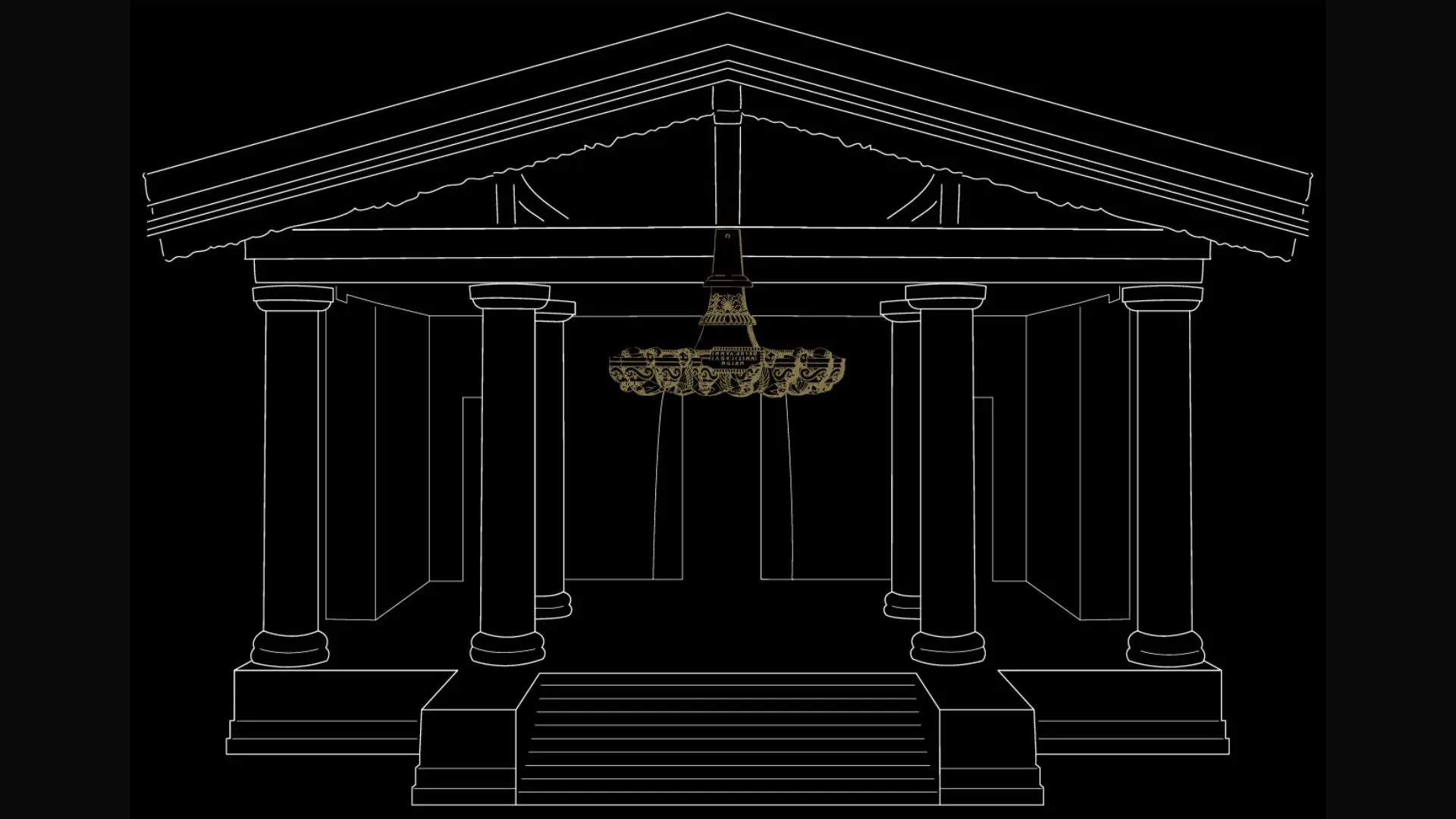
The Chandelier was originally placed in an Etruscan temple, a sacred building dedicated to the gods, characterized by a rectangular floor plan and a high access platform. Unlike Greek temples, it had only one columned façade and often three inner chambers. Made of perishable materials such as wood and terracotta, today only the stone foundations remain. A small plaque was also found near the Chandelier.
Achelous
Starting from the outermost edge of the basin and moving inward, one encounters 16 protomes of Achelous alternating with 16 spouts decorated with palm motifs. In Etruscan culture, Achelous symbolized the power of water, fertility, and was associated with the transition between life and death.
Achelous
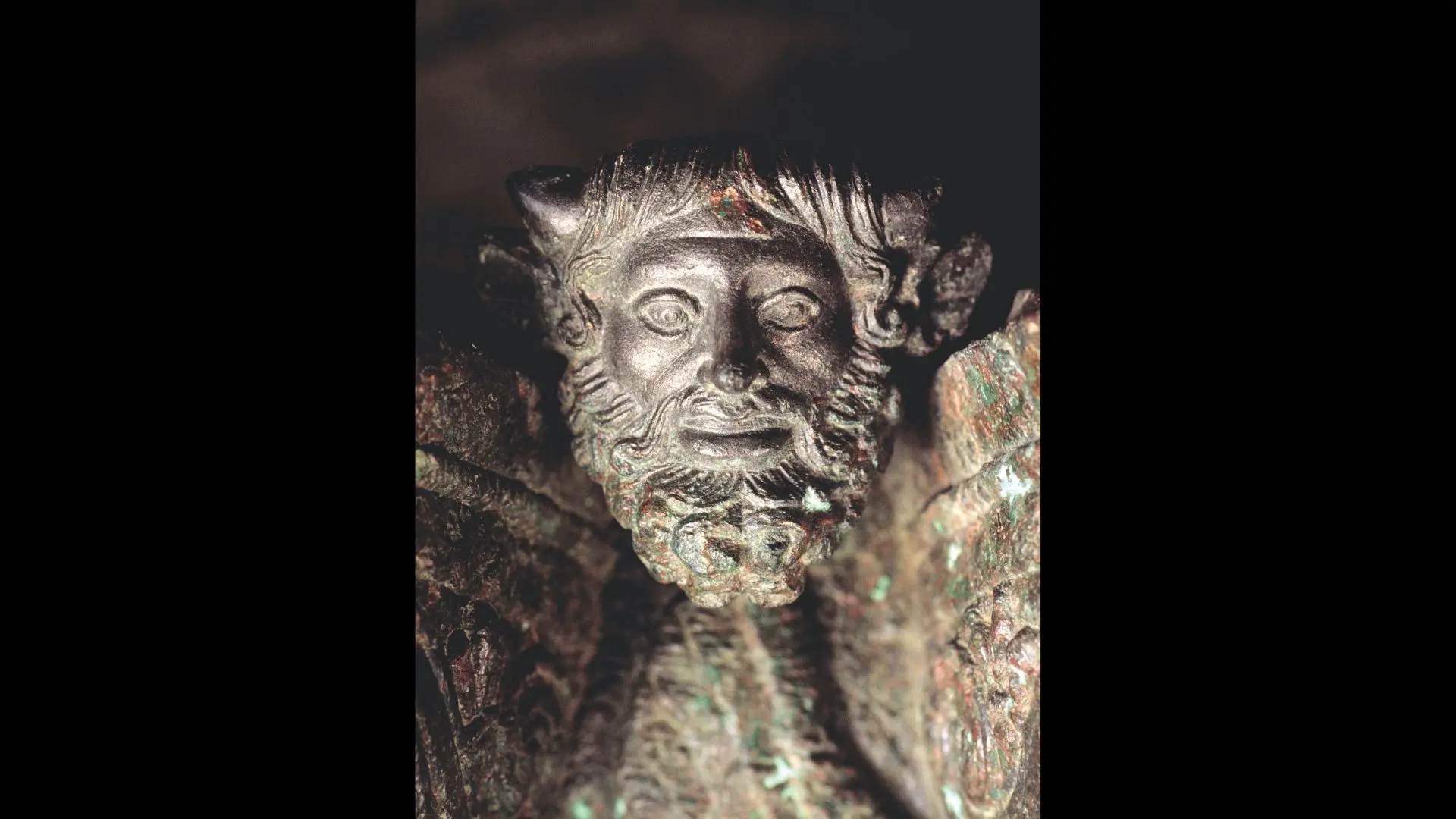
Starting from the outermost edge of the basin and moving inward, one encounters 16 protomes of Achelous alternating with 16 spouts decorated with palm motifs. In Etruscan culture, Achelous symbolized the power of water, fertility, and was associated with the transition between life and death.
Sirens
Beneath each of the sixteen spouts are eight sirens with outspread wings, hands resting on their chests, alternating with eight ithyphallic satyrs. Sirens are typically charged with ambiguity: their song brings joy, foresight, and death, yet they are also guardians of the memory of the deceased and guides to the afterlife. According to Pythagorean doctrine, their song—composed of the eight notes produced by each siren—forms the harmony of the celestial spheres, which are comprised of eight heavens.
Sirens
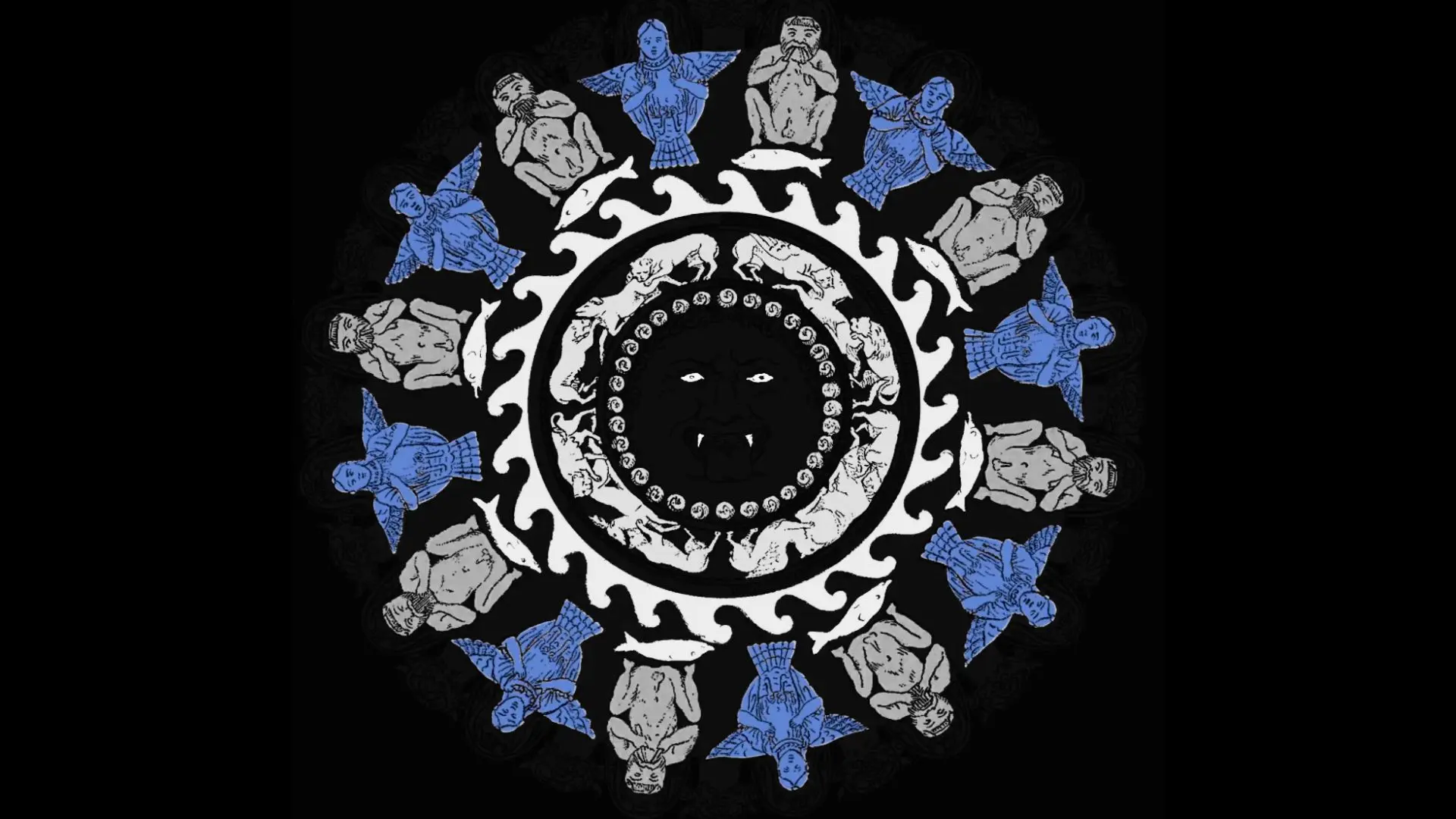
Beneath each of the sixteen spouts are eight sirens with outspread wings, hands resting on their chests, alternating with eight ithyphallic satyrs. Sirens are typically charged with ambiguity: their song brings joy, foresight, and death, yet they are also guardians of the memory of the deceased and guides to the afterlife. According to Pythagorean doctrine, their song—composed of the eight notes produced by each siren—forms the harmony of the celestial spheres, which are comprised of eight heavens.
Satyrs
Eight ithyphallic satyrs, alternately playing the double aulòs and the syrinx while crouching, seem to take part in a procession and are alternated with the eight sirens. Like the sirens, their hybrid appearance symbolizes the link between the world of the living and the dead. The erect phallus specifically alludes to the concept of rebirth. They belong to the celestial realm, as they are depicted in the constellation that replaces Sagittarius.
Satyrs
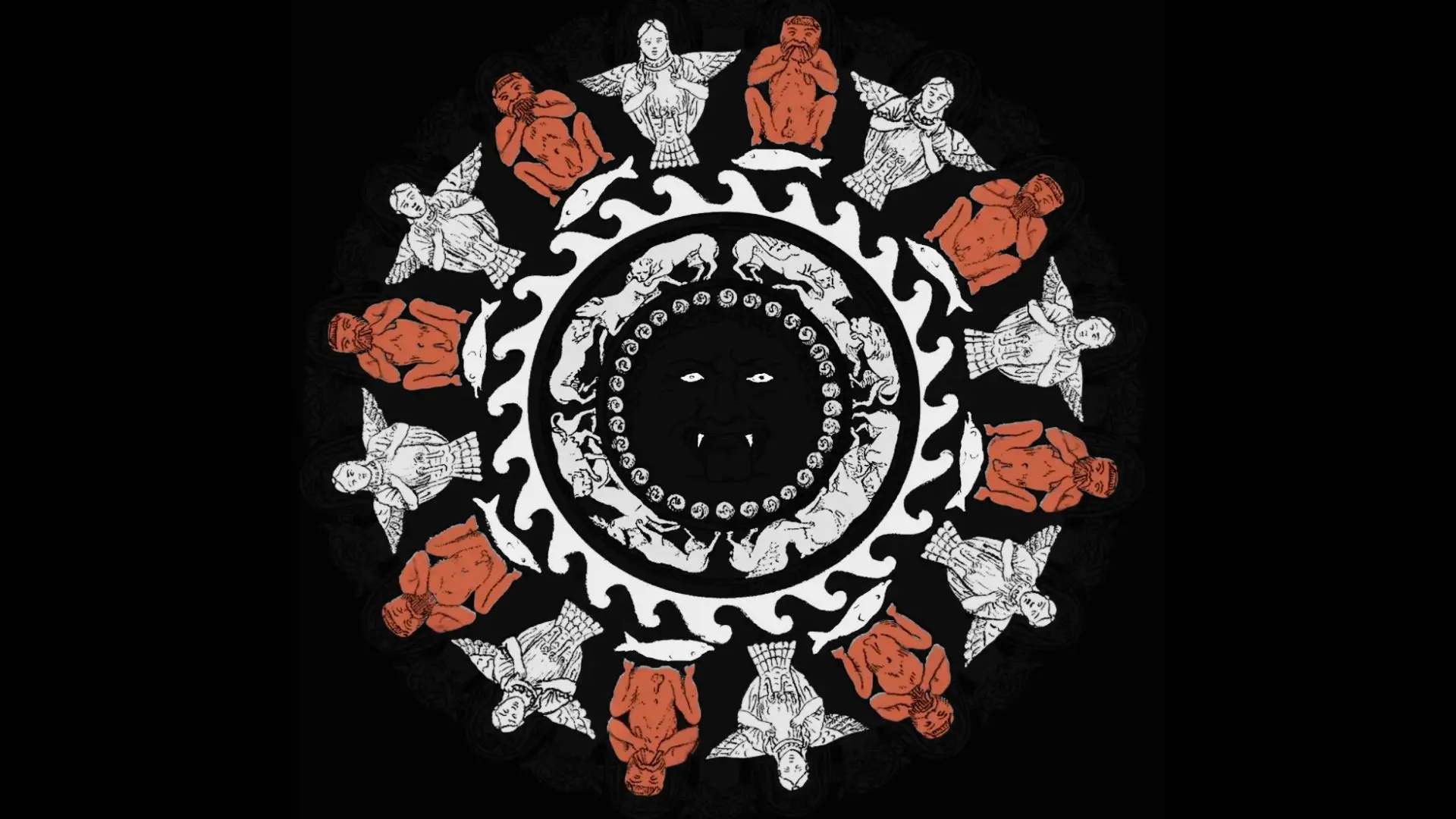
Eight ithyphallic satyrs, alternately playing the double aulòs and the syrinx while crouching, seem to take part in a procession and are alternated with the eight sirens. Like the sirens, their hybrid appearance symbolizes the link between the world of the living and the dead. The erect phallus specifically alludes to the concept of rebirth. They belong to the celestial realm, as they are depicted in the constellation that replaces Sagittarius.
Dolphins
The chandelier features eight leaping dolphins, each placed directly beneath the eight ithyphallic satyrs and above a stylized sea wave. In Etruscan culture, the dolphin was a symbol rich in meaning, often connected to the sea, death, and rebirth. Common in funerary art, it represented a guide for the soul to the afterlife, playing a psychopompic role. As sea dwellers, dolphins also evoked purification and rebirth, aligning with the symbolic value of water for the Etruscans. Below the dolphins, sea waves are represented, symbolizing the boundaries of the terrestrial world.
Dolphins
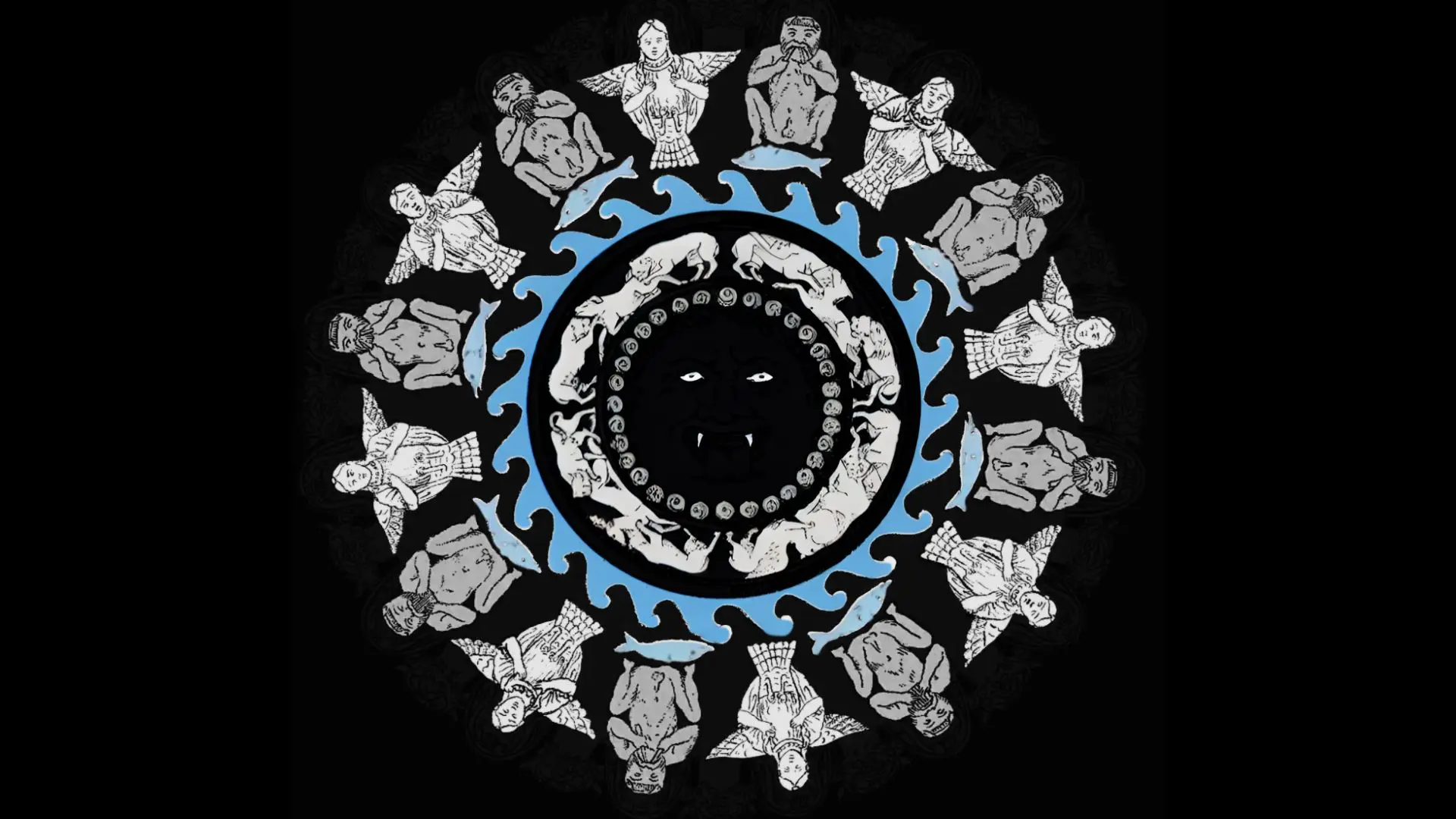
The chandelier features eight leaping dolphins, each placed directly beneath the eight ithyphallic satyrs and above a stylized sea wave. In Etruscan culture, the dolphin was a symbol rich in meaning, often connected to the sea, death, and rebirth. Common in funerary art, it represented a guide for the soul to the afterlife, playing a psychopompic role. As sea dwellers, dolphins also evoked purification and rebirth, aligning with the symbolic value of water for the Etruscans. Below the dolphins, sea waves are represented, symbolizing the boundaries of the terrestrial world.
Hunting scenes
Hunting Scenes – The chandelier features 12 animals arranged in four hunting scenes, each consisting of: a boar attacked by a panther and a lion; a horse bitten by a griffin and a lion; a bull attacked by a griffin and a panther; a deer attacked by a panther and a lion.
These scenes, in which herbivores succumb to carnivores, are widely interpreted as allusions to the inevitability of death. From an astronomical perspective, the four groups—each with three animals—may represent the four seasons, each consisting of three months. The total number of animals, 12, corresponds to the months of the year.
Hunting scenes
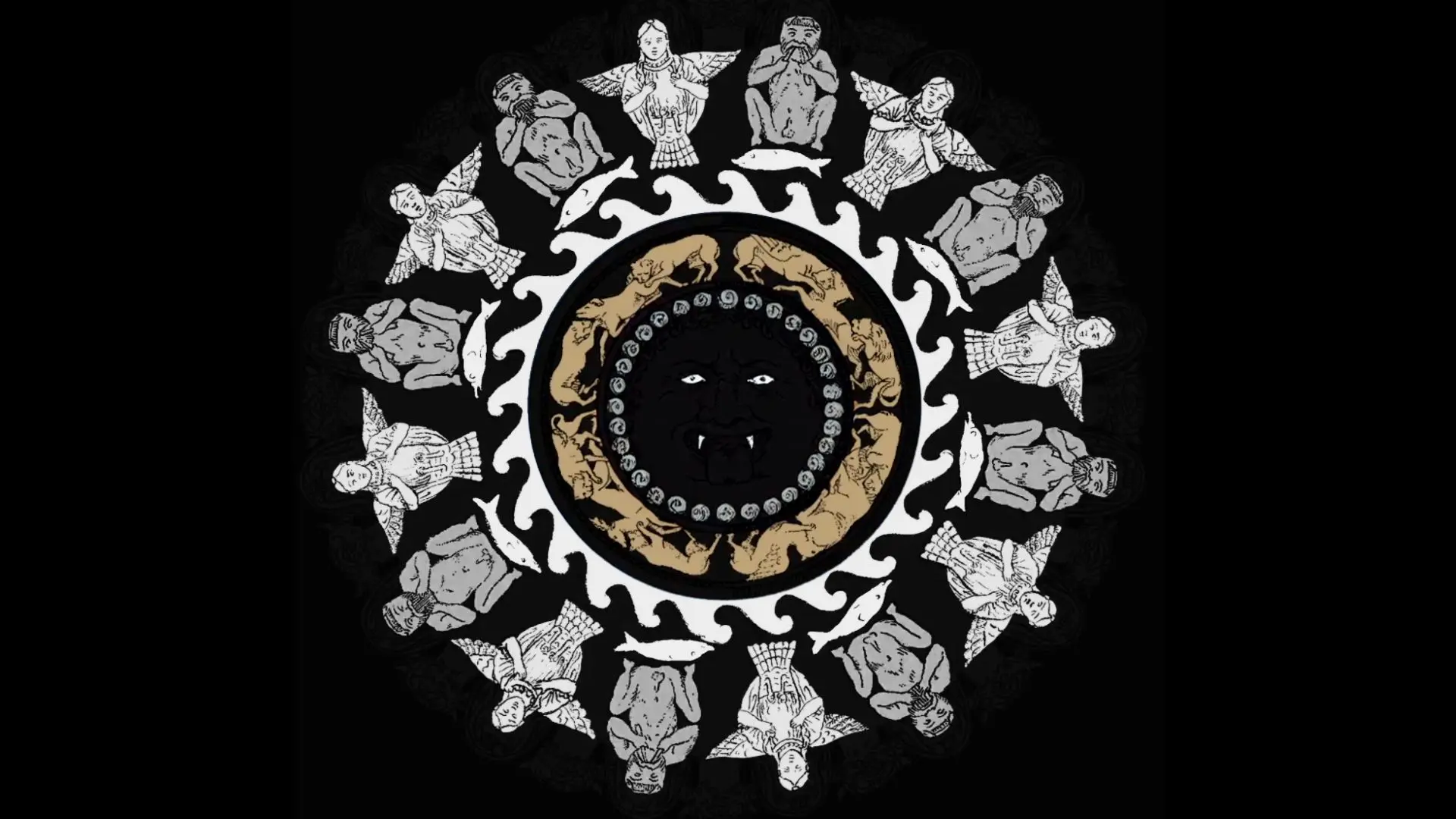
Hunting Scenes – The chandelier features 12 animals arranged in four hunting scenes, each consisting of: a boar attacked by a panther and a lion; a horse bitten by a griffin and a lion; a bull attacked by a griffin and a panther; a deer attacked by a panther and a lion.
These scenes, in which herbivores succumb to carnivores, are widely interpreted as allusions to the inevitability of death. From an astronomical perspective, the four groups—each with three animals—may represent the four seasons, each consisting of three months. The total number of animals, 12, corresponds to the months of the year.
Medusa
Medusa is one of the three Gorgons of Greek mythology, the only mortal among her sisters Stheno and Euryale, daughters of the sea deities Phorcys and Ceto. Originally depicted as monsters with golden wings, bronze hands, and snakes for hair, the Gorgons were later represented as beautiful maidens. Medusa lived, according to sources, in the far West or in Libya. In various myths, she was initially a beautiful woman, transformed into a monster by Athena as punishment for lying with Poseidon in her temple. Perseus killed her, and from her blood sprang Chrysaor and Pegasus, while drops of her blood created coral. Homer mentions only one Gorgon, whose head adorned Athena’s aegis.
Medusa
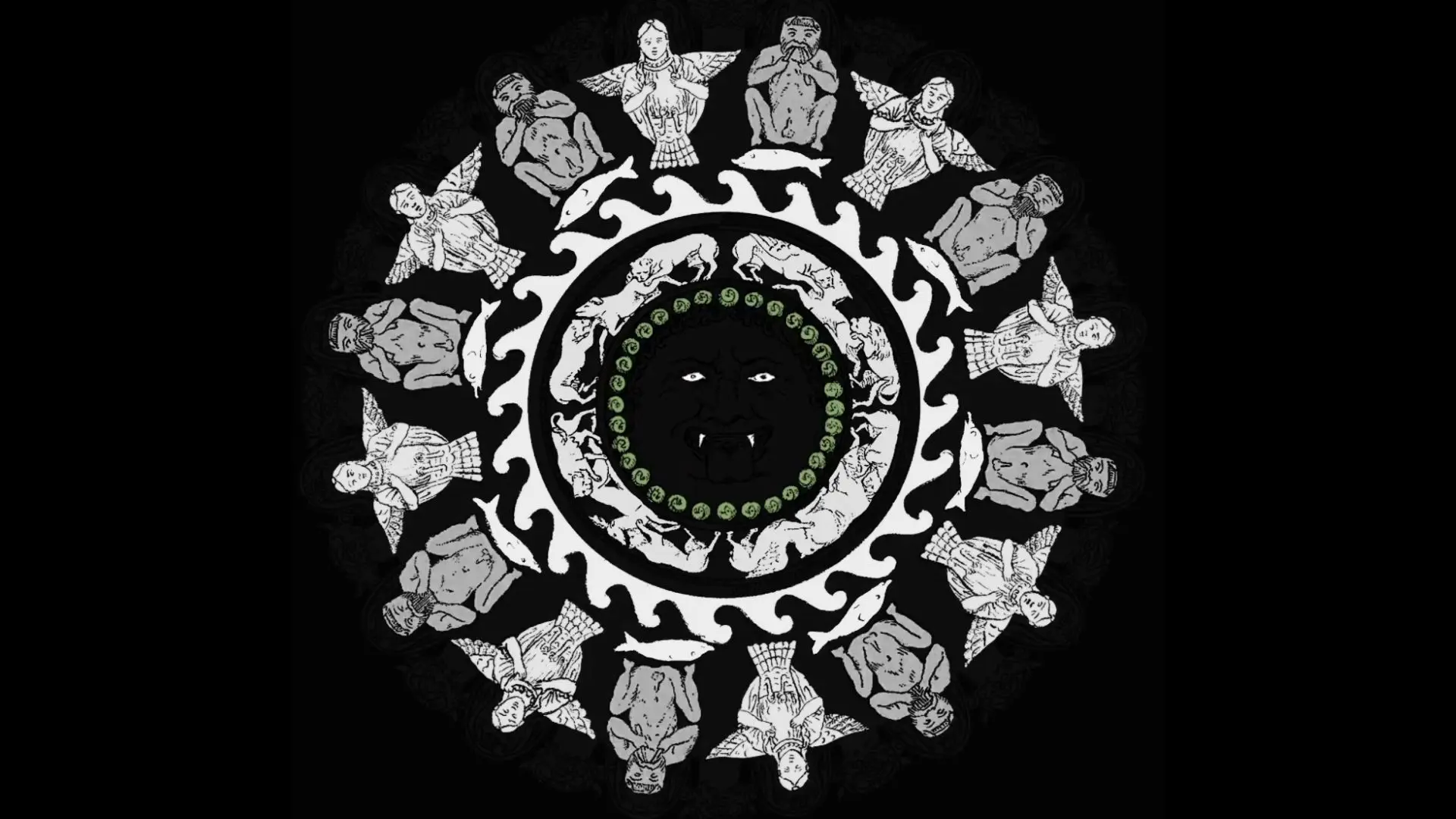
Medusa is one of the three Gorgons of Greek mythology, the only mortal among her sisters Stheno and Euryale, daughters of the sea deities Phorcys and Ceto. Originally depicted as monsters with golden wings, bronze hands, and snakes for hair, the Gorgons were later represented as beautiful maidens. Medusa lived, according to sources, in the far West or in Libya. In various myths, she was initially a beautiful woman, transformed into a monster by Athena as punishment for lying with Poseidon in her temple. Perseus killed her, and from her blood sprang Chrysaor and Pegasus, while drops of her blood created coral. Homer mentions only one Gorgon, whose head adorned Athena’s aegis.