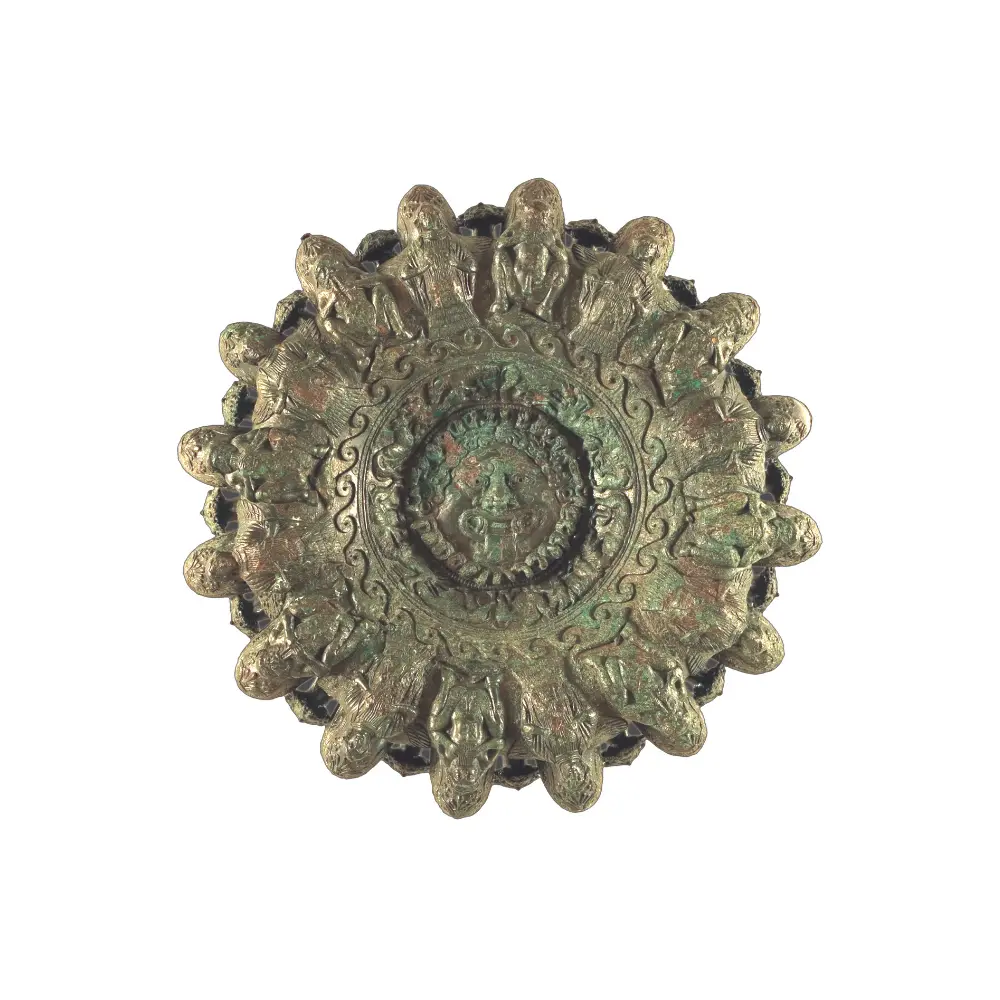

Etruscan chandelier | 3D
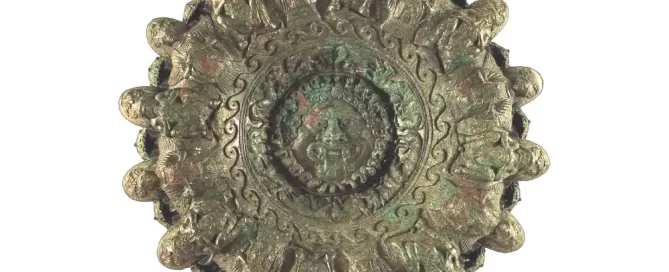
Etruscan bronze chandelier from the 4th century BCE, decorated with mythological and naturalistic motifs
Etruscan bronze chandelier from the 4th century BCE, decorated with mythological and naturalistic motifs
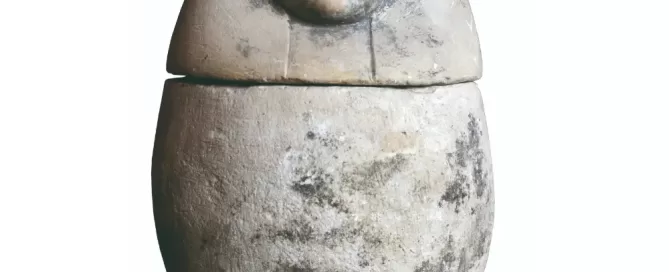
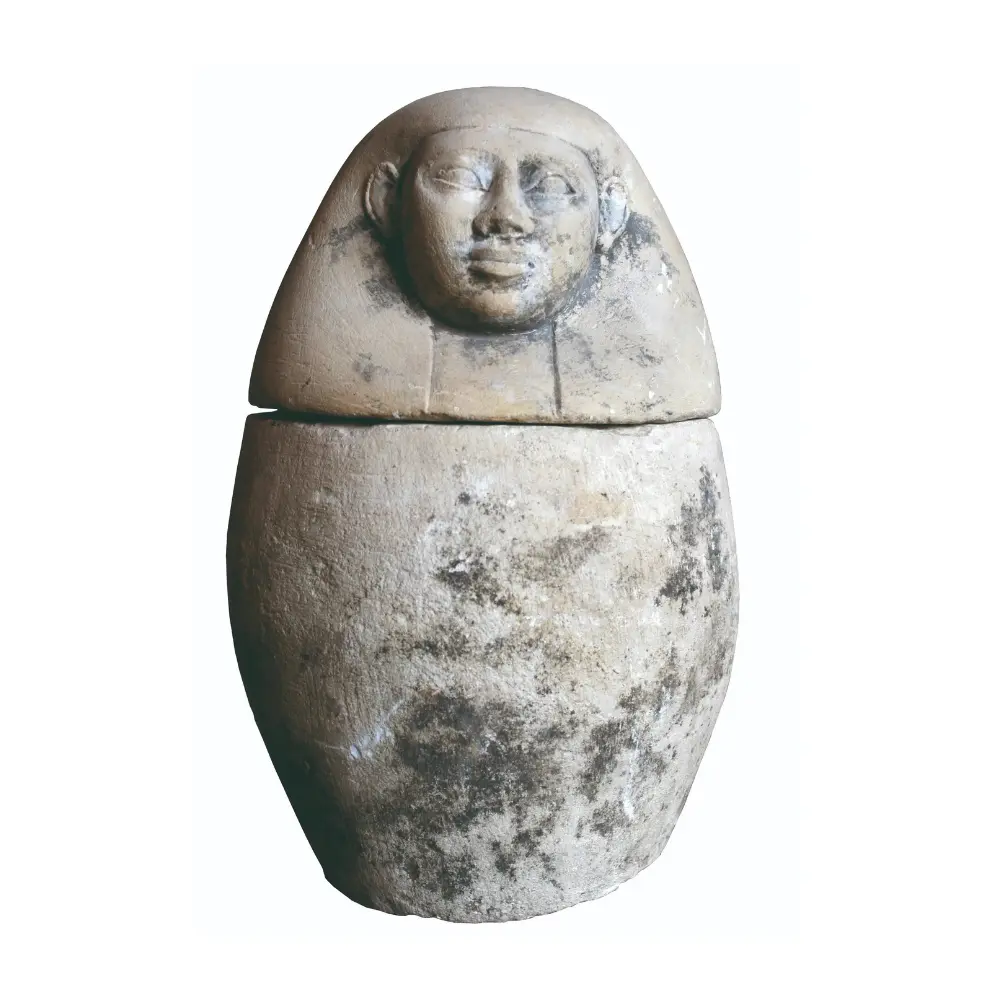
Painted limestone canopic jar with a lid in the shape of a human head, probably dating to the New Kingdom.
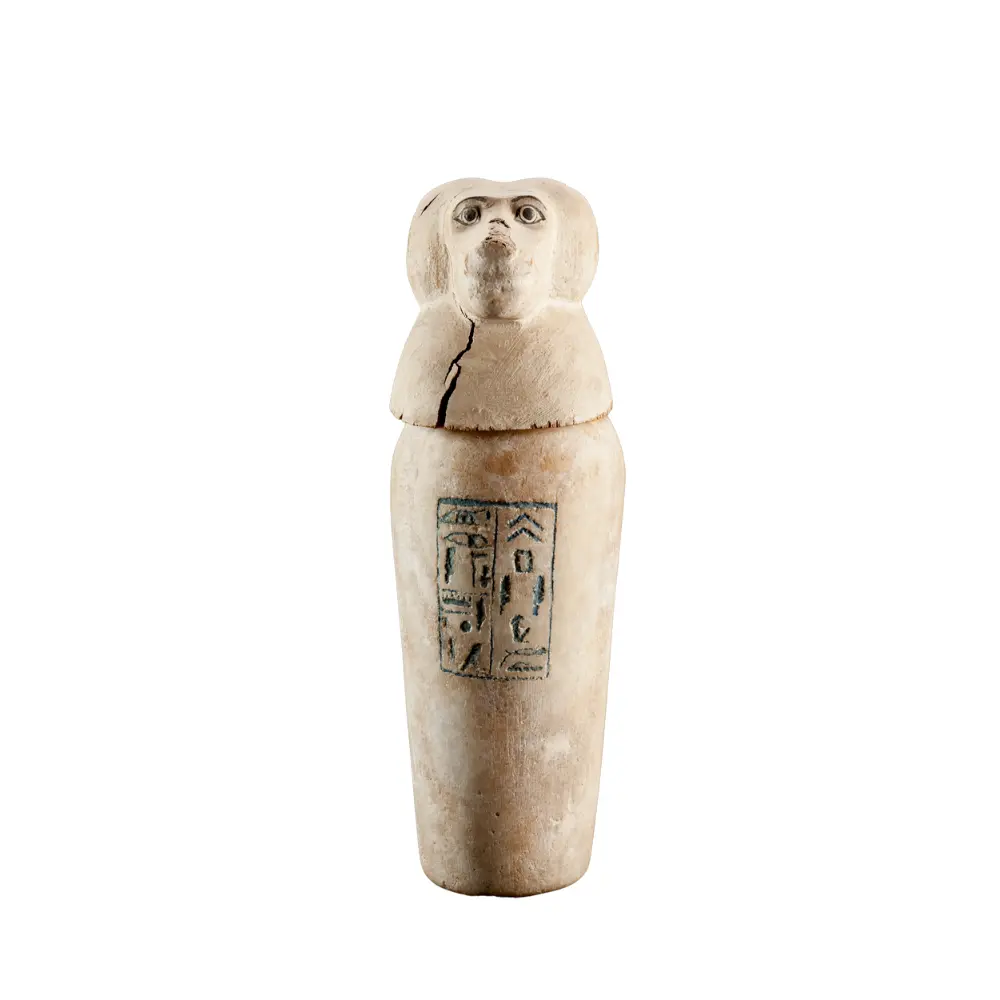
Canopic jar dedicated to Hapi, the Son of Horus with a baboon head, guardian of the lungs of the deceased.
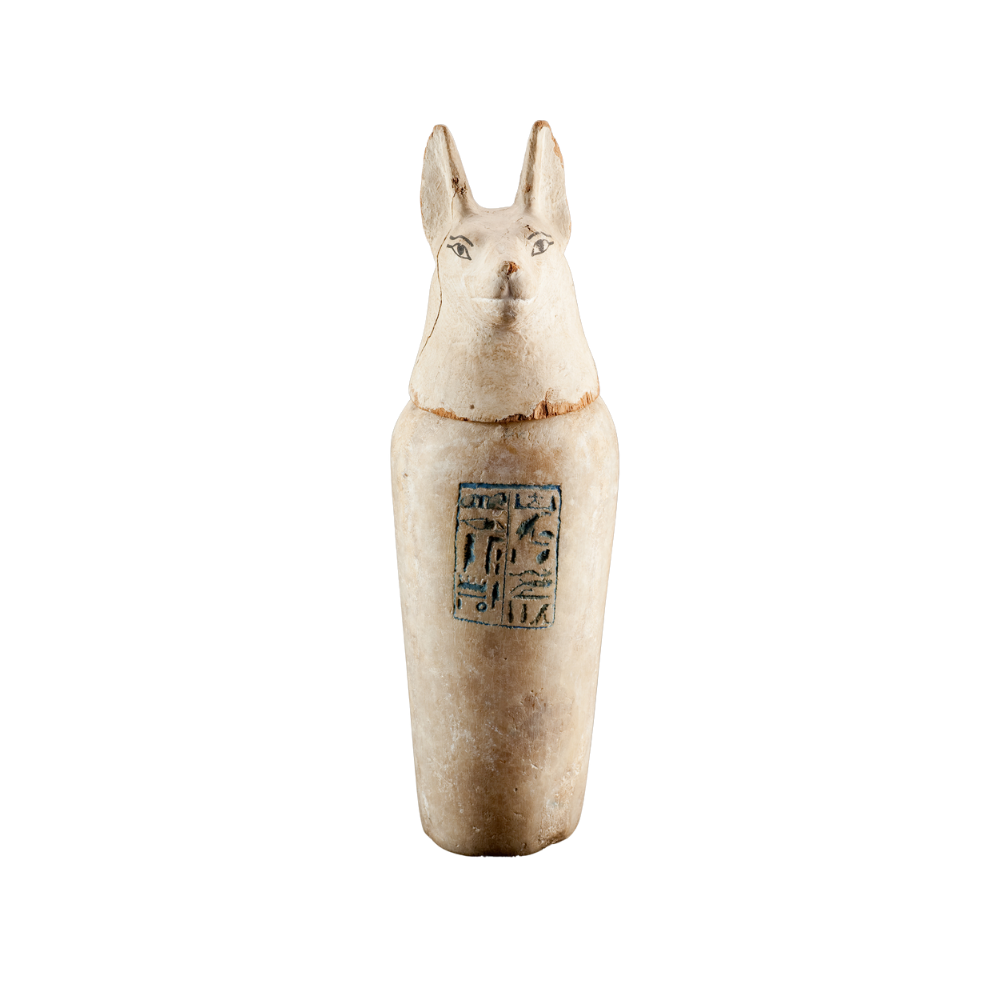
Canopic jar dedicated to Duamutef, the Son of Horus with a jackal head, guardian of the stomach of the deceased.
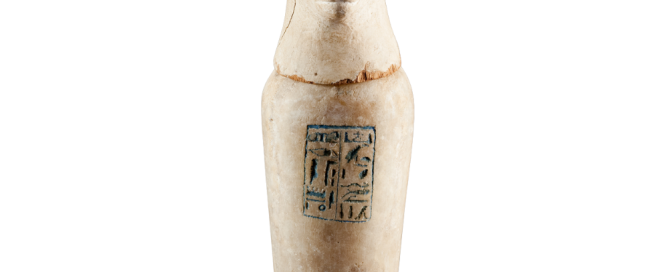
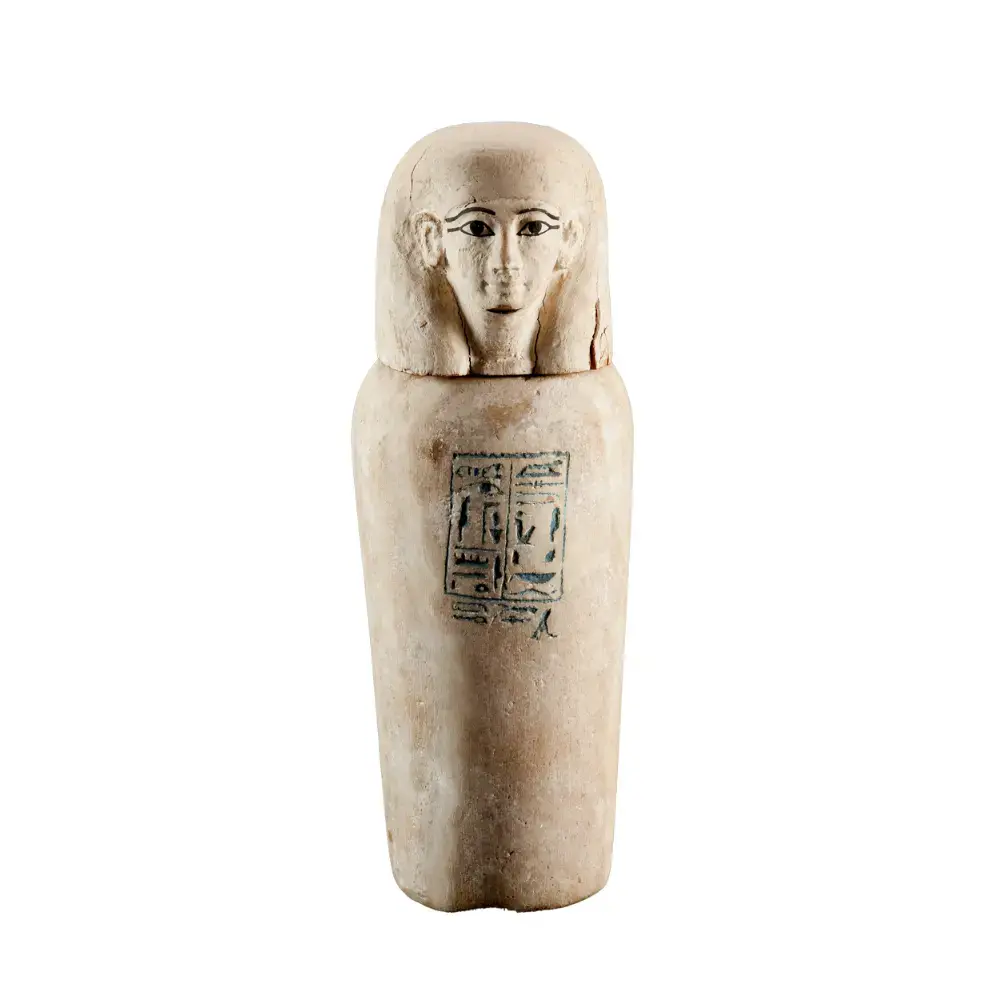
Canopic jar with a hieroglyphic inscription dedicated to Imseti, the Son of Horus with human features.
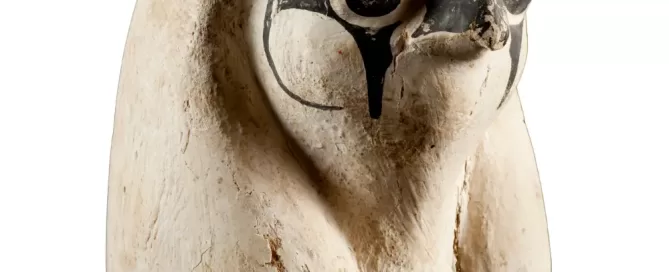
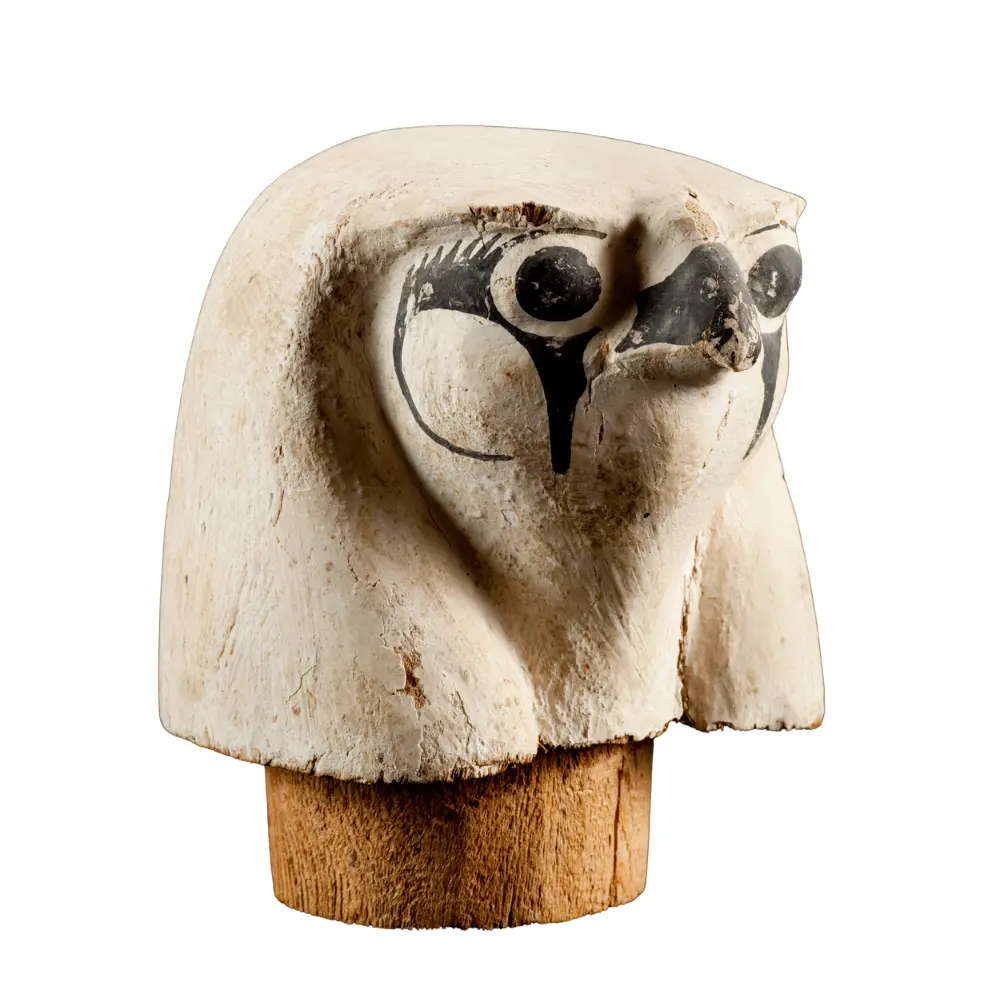
Canopic jar lid depicting Qebehsenuef, the Son of Horus with a falcon head, guardian of the intestines of the deceased.
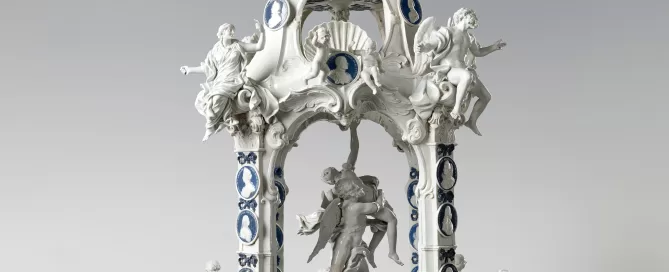
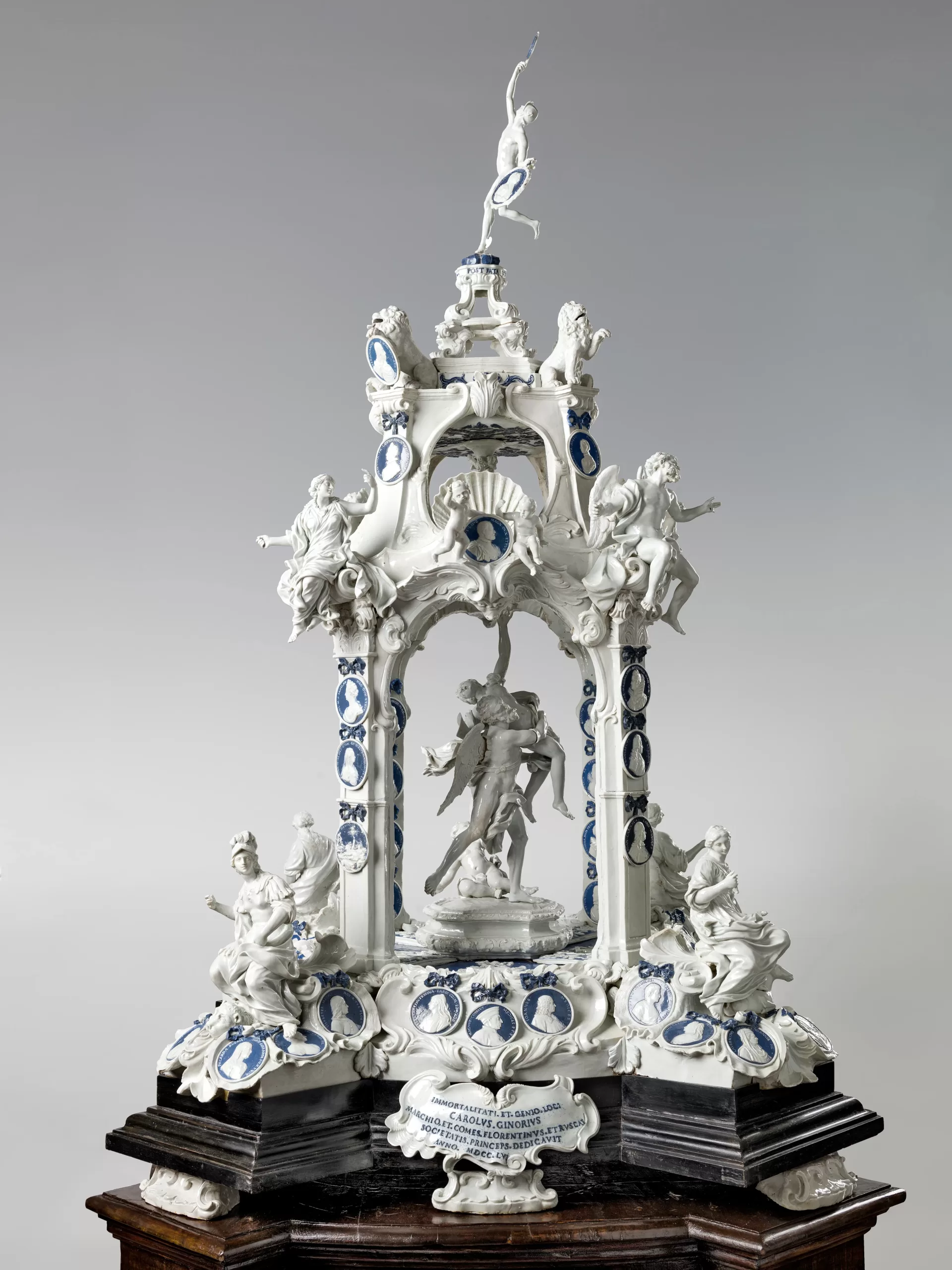
The Tempietto Ginori, one of the most remarkable and unique pieces of the MAEC, dominates the center of the room that bears its name, located on the museum’s second floor.
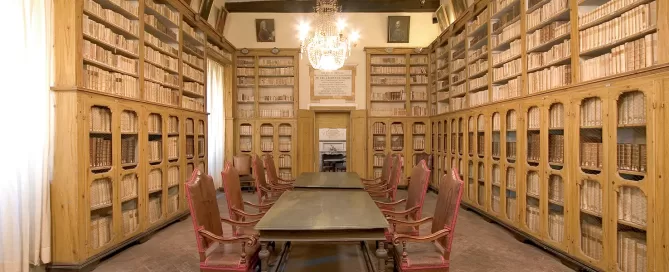
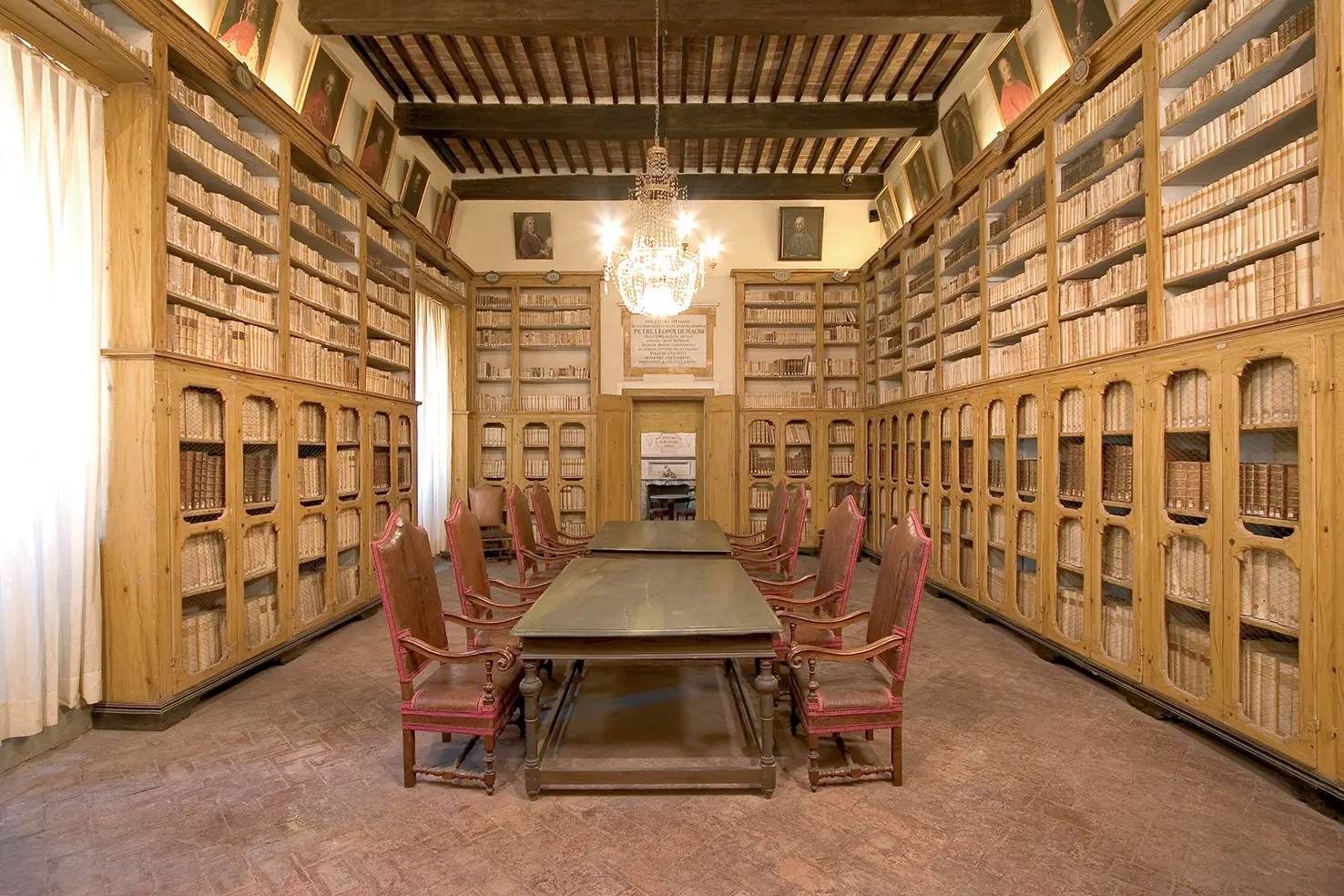
The eighteenth-century Library of the Accademia Etrusca preserves precious volumes and the symbolic coat of arms that reflects wisdom, myth, and Cortona’s identity.
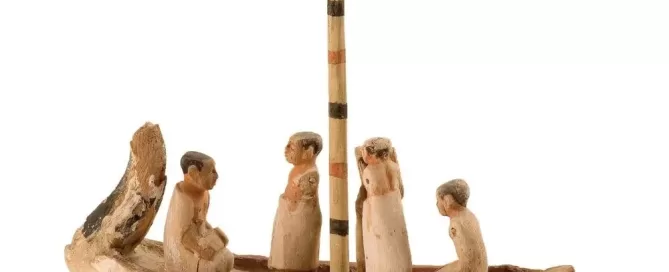
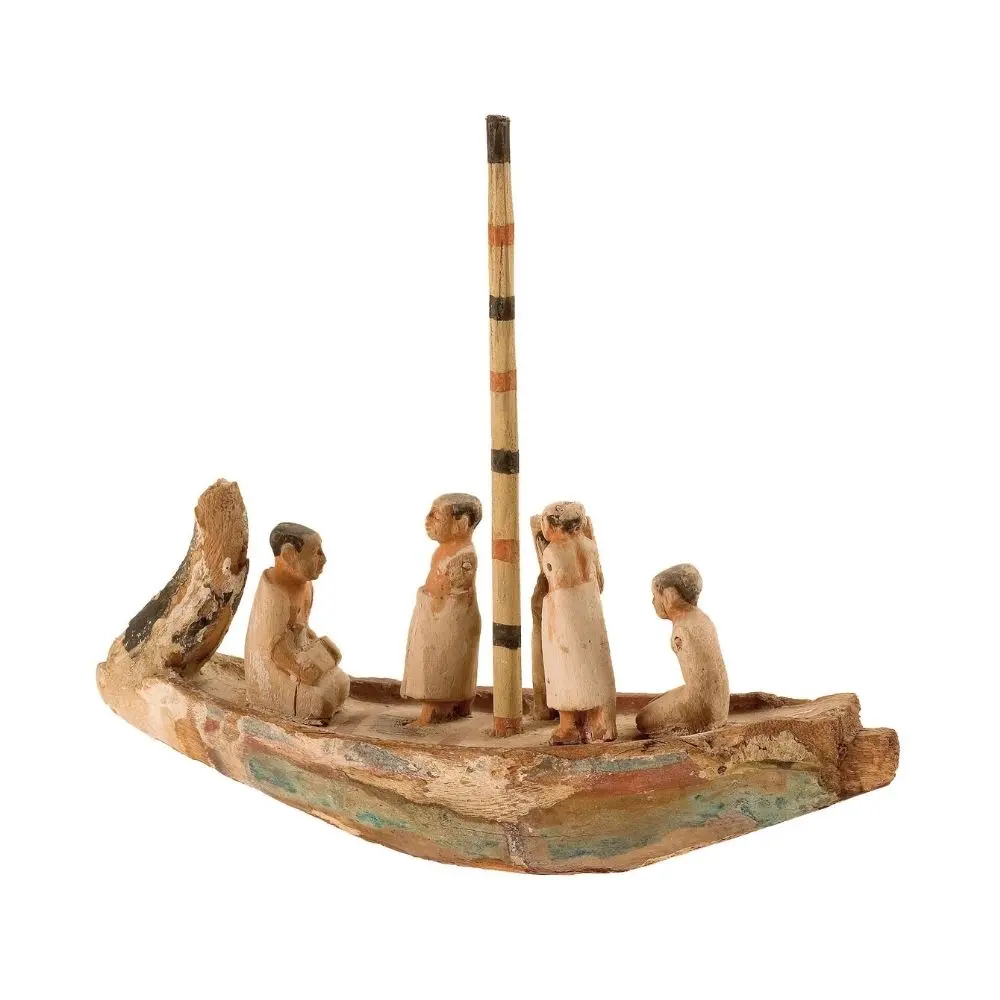
Model of a funerary boat with five male figures, including the deceased. The hull is painted in green-blue and red bands; the mast is white with alternating red and black stripes.
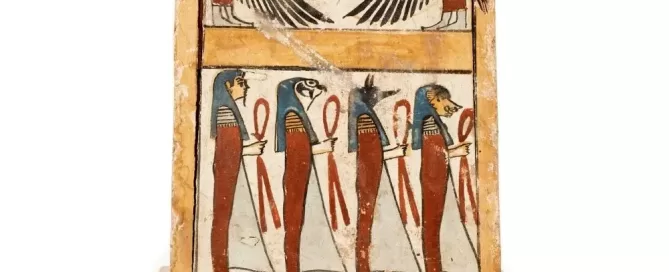
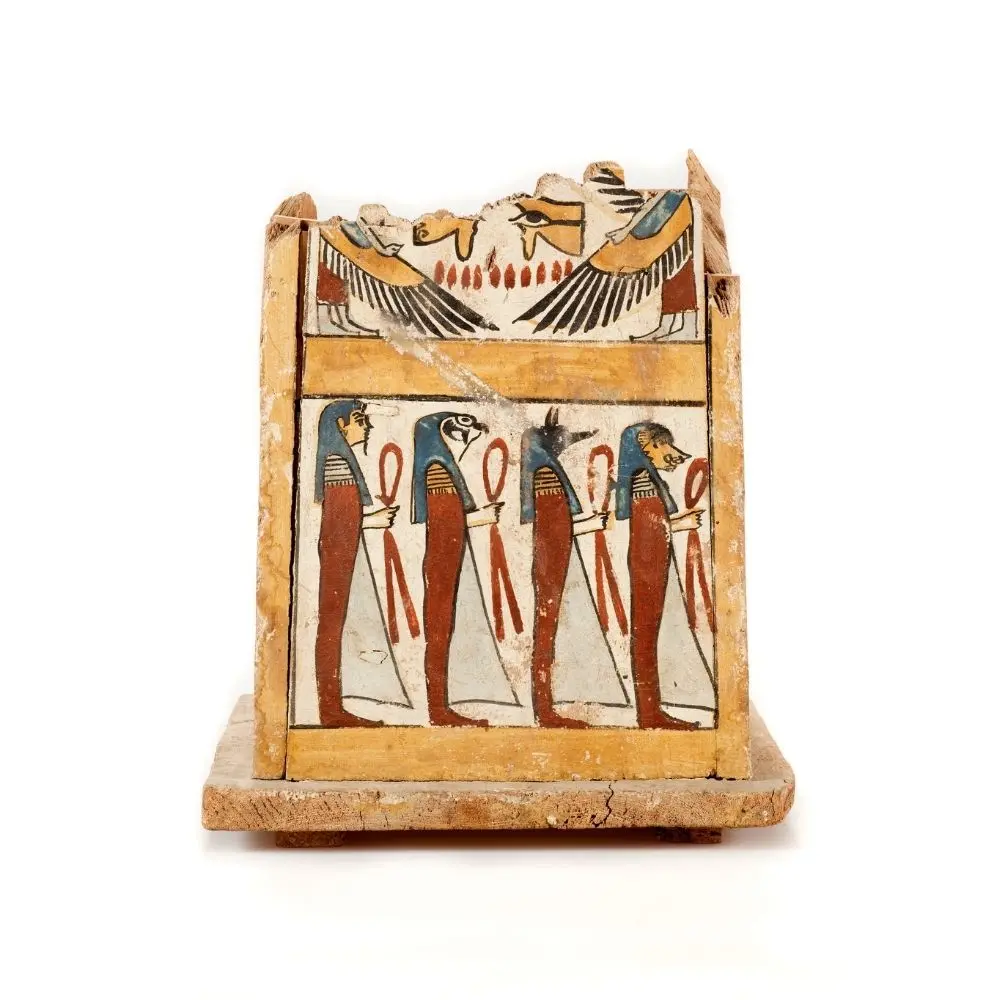
Funerary box decorated with the Four Sons of Horus and winged female figures. It was used to hold shabtis, statuettes placed in tombs to serve the deceased in the afterlife.