
The educational and cultural programmes offered by the MAEC – Museo dell’Accademia Etrusca e della Città di Cortona, developed in collaboration with the cooperatives AION Cultura, Itinera and CoopCulture, are based on public engagement methodologies and are designed to actively involve a wide range of audiences: from small informal groups to teams of specialists, as well as school groups of all levels.
These activities represent an important opportunity to deepen knowledge of the historical, artistic and archaeological heritage of Cortona and its territory, as well as to explore the different cultures and types of materials preserved in the museum collections. Designed to encourage active participation, the programmes address the proposed themes with scientific rigour through interactive, dynamic and inclusive approaches.
The aim is to promote local cultural heritage, encourage social and cultural exchange, and make the museum a welcoming, stimulating and vibrant place to visit and return to.
Guided tours
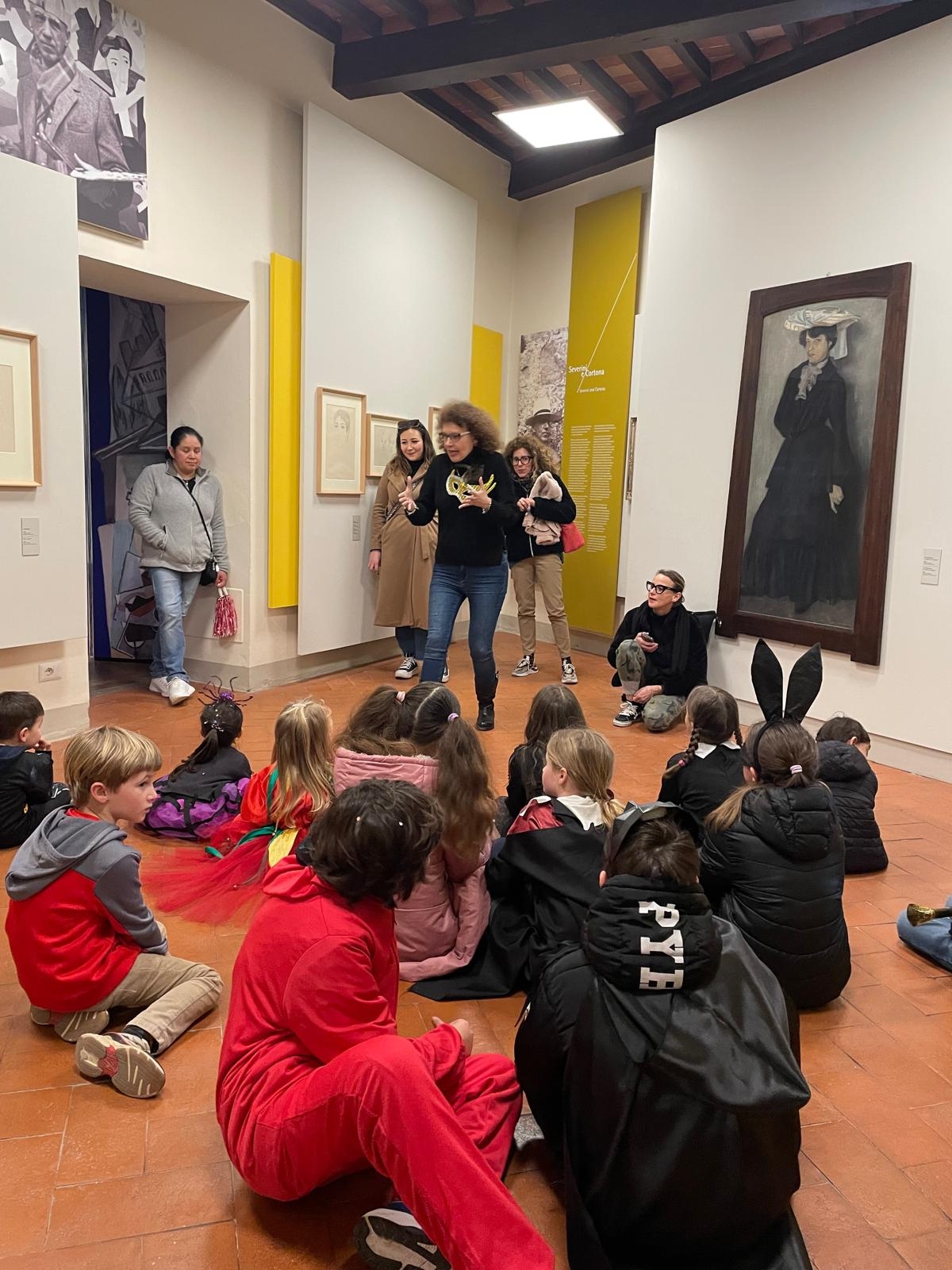
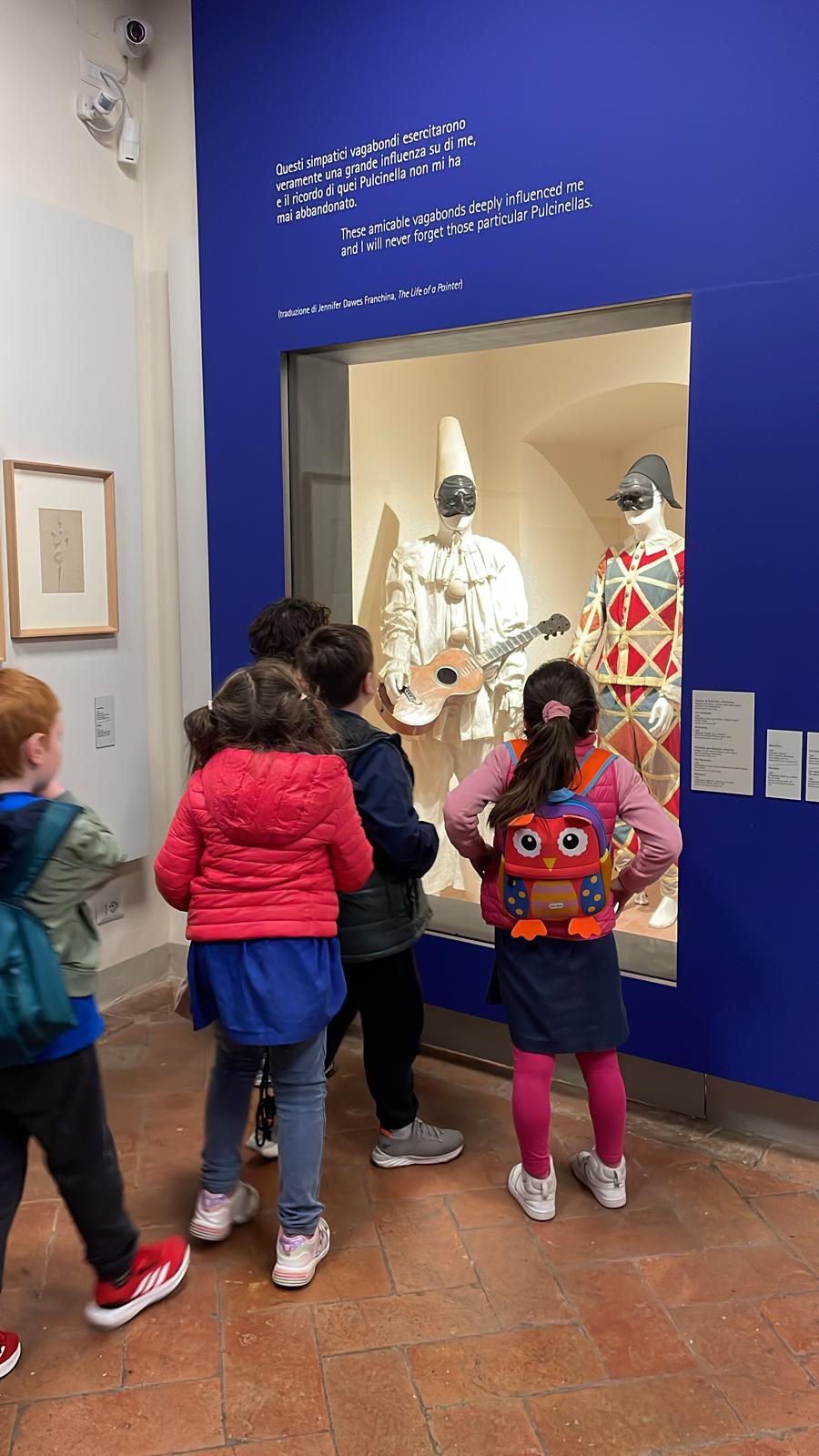
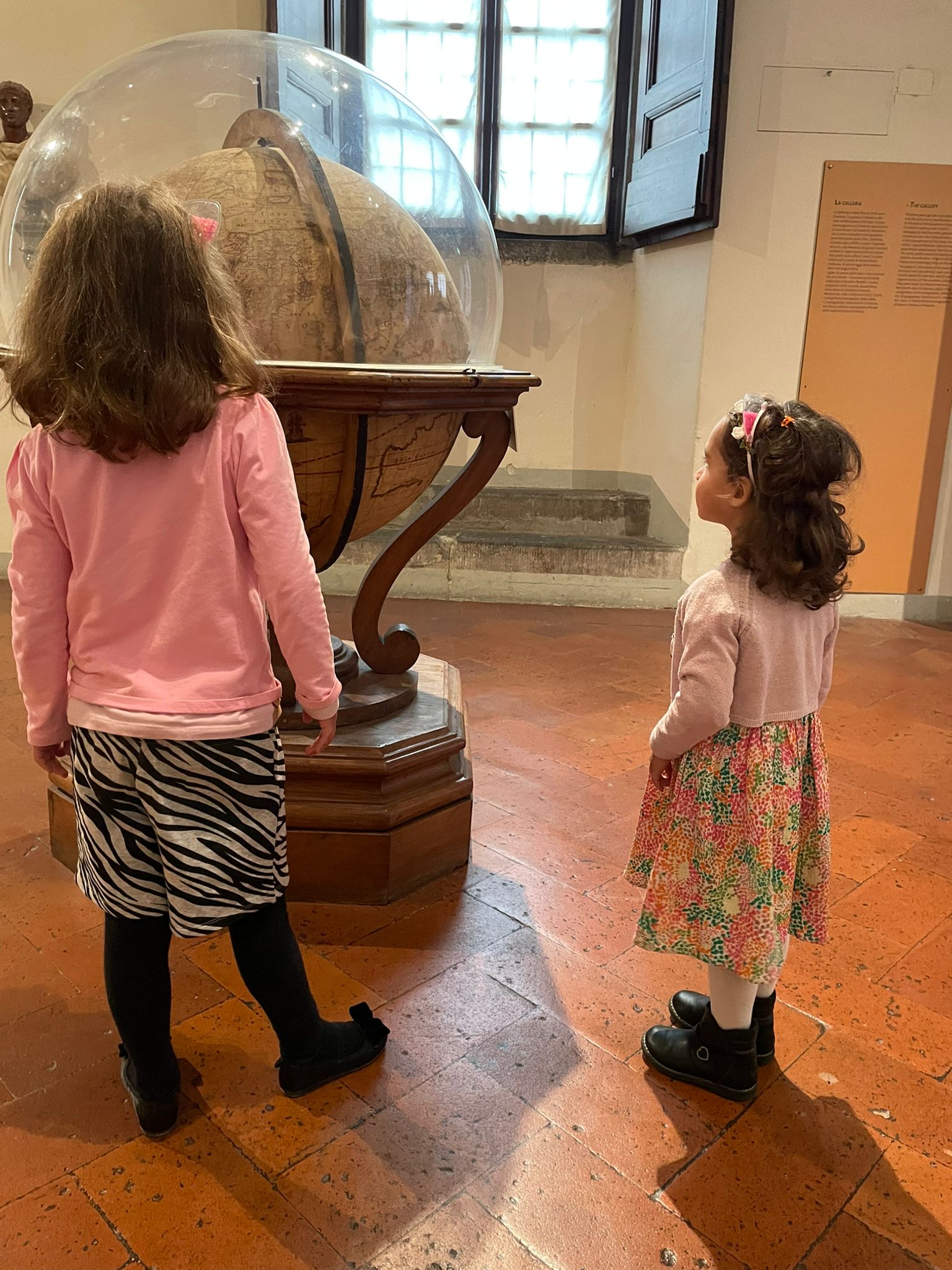
Guided tours at the MAEC – Museo dell’Accademia Etrusca e della Città di Cortona are available for both school groups and informal groups of adults. The itineraries may cover the entire range of the museum’s collections or focus on specific sections and thematic groups, presented according to a mainly chronological framework.
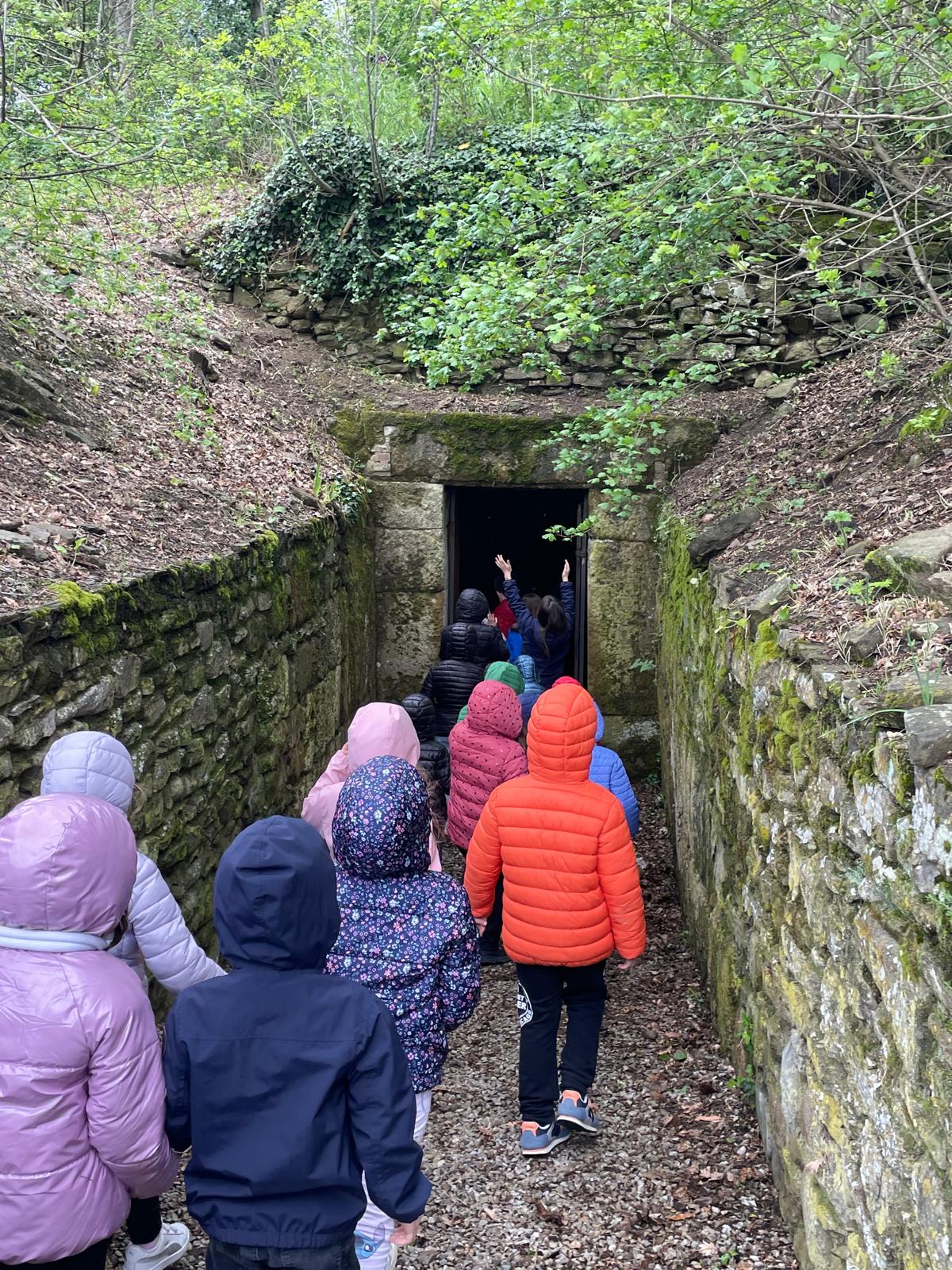
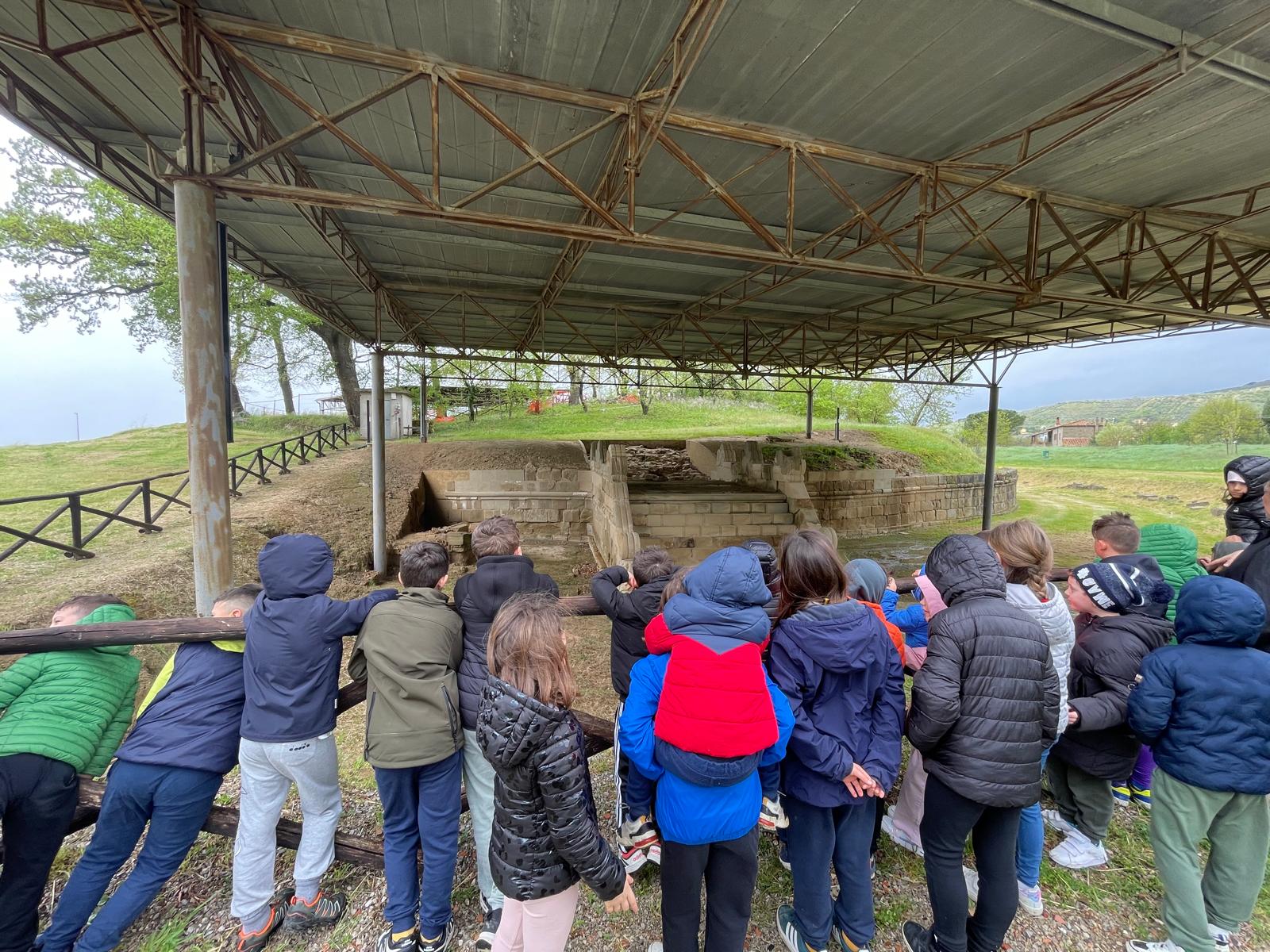
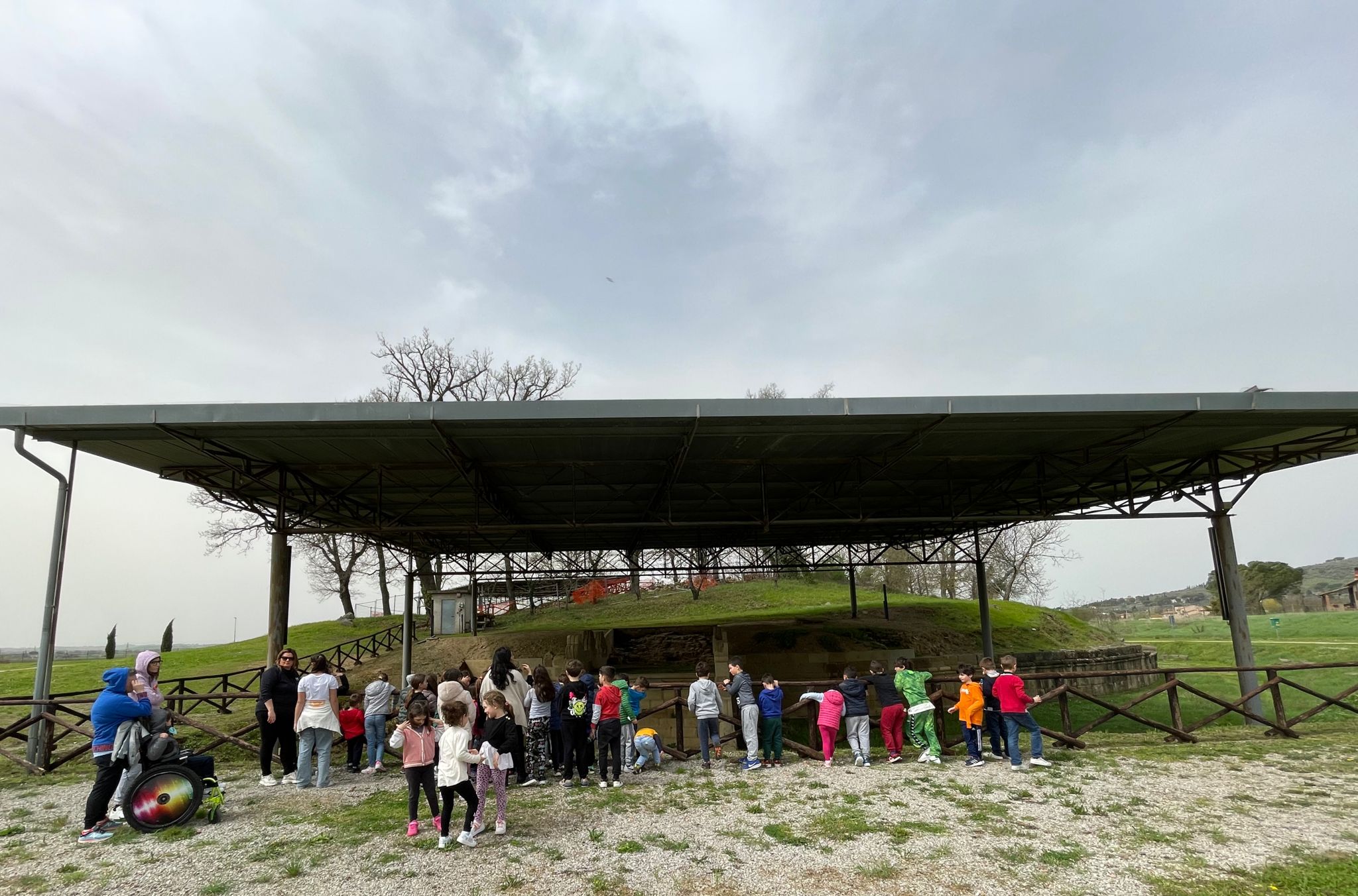
Tours are always led by professionals specifically trained in Museum Education and Heritage Pedagogy and can also be requested in English. Visits to the Archaeological Area of Sodo can also be arranged, either as a stand-alone experience or in combination with a visit to the MAEC.
On the occasion of temporary exhibitions and displays, the museum organises specific guided tours at scheduled times, in both Italian and English.
Guided tours + workshops for schools
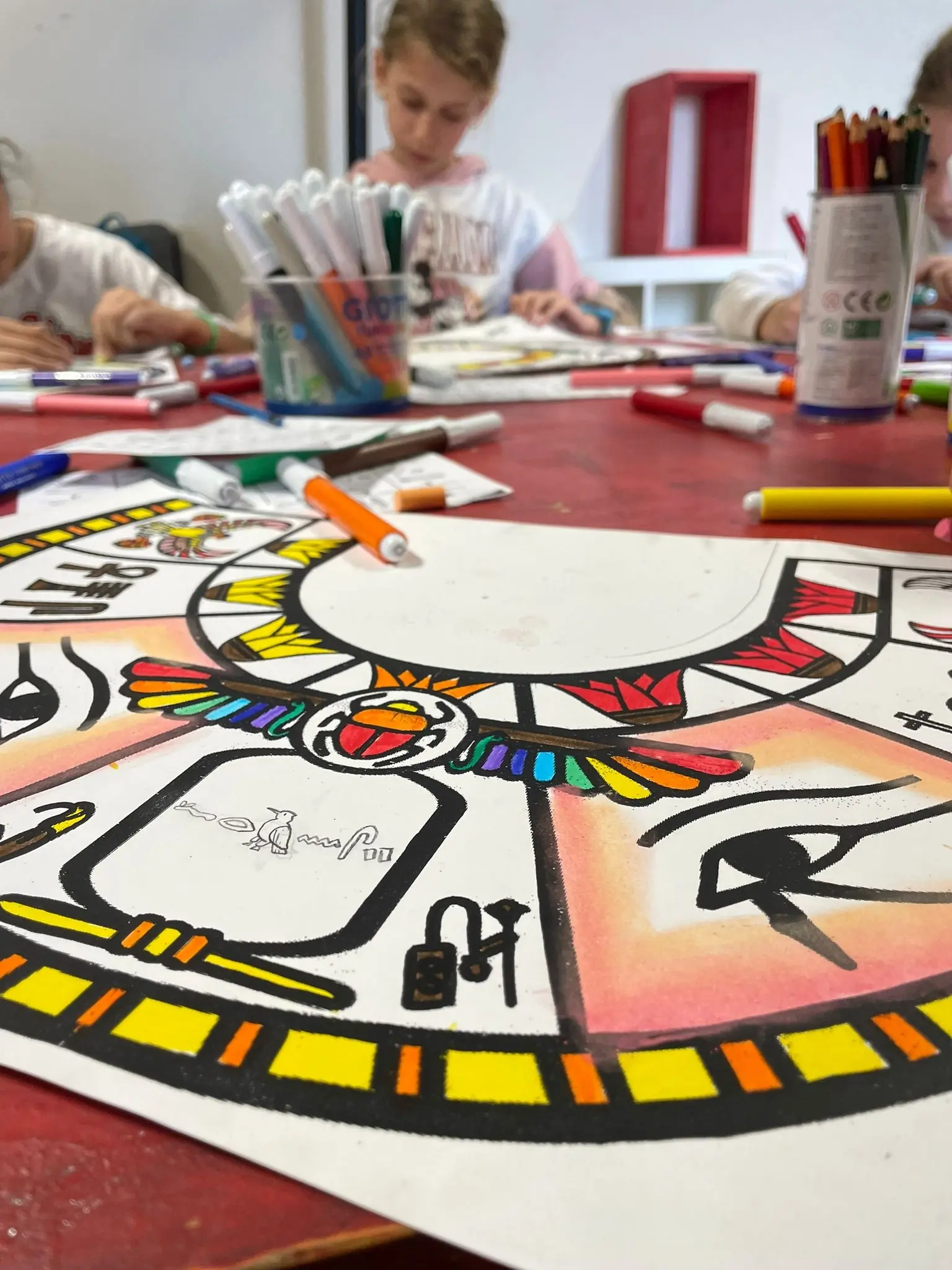
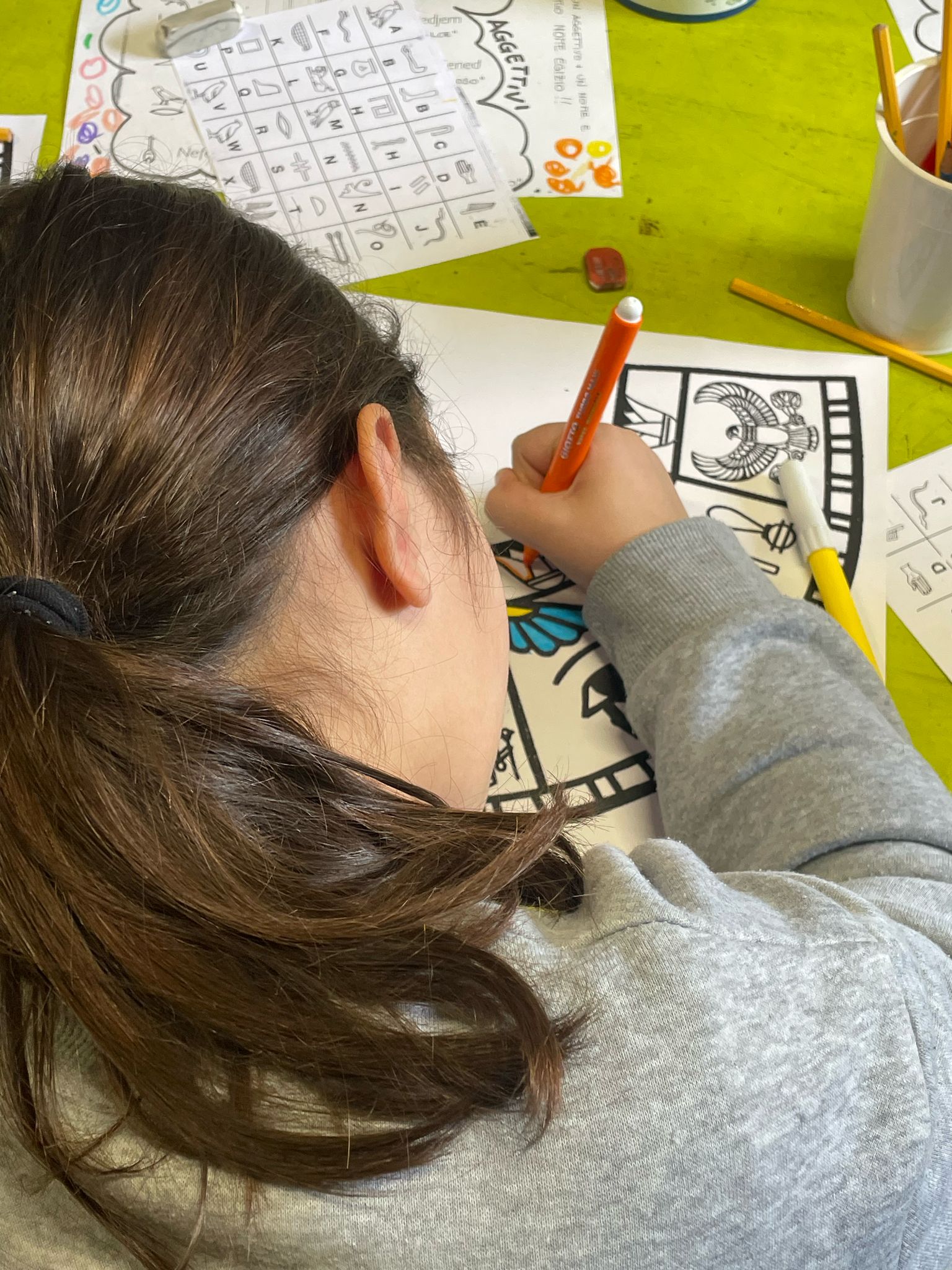
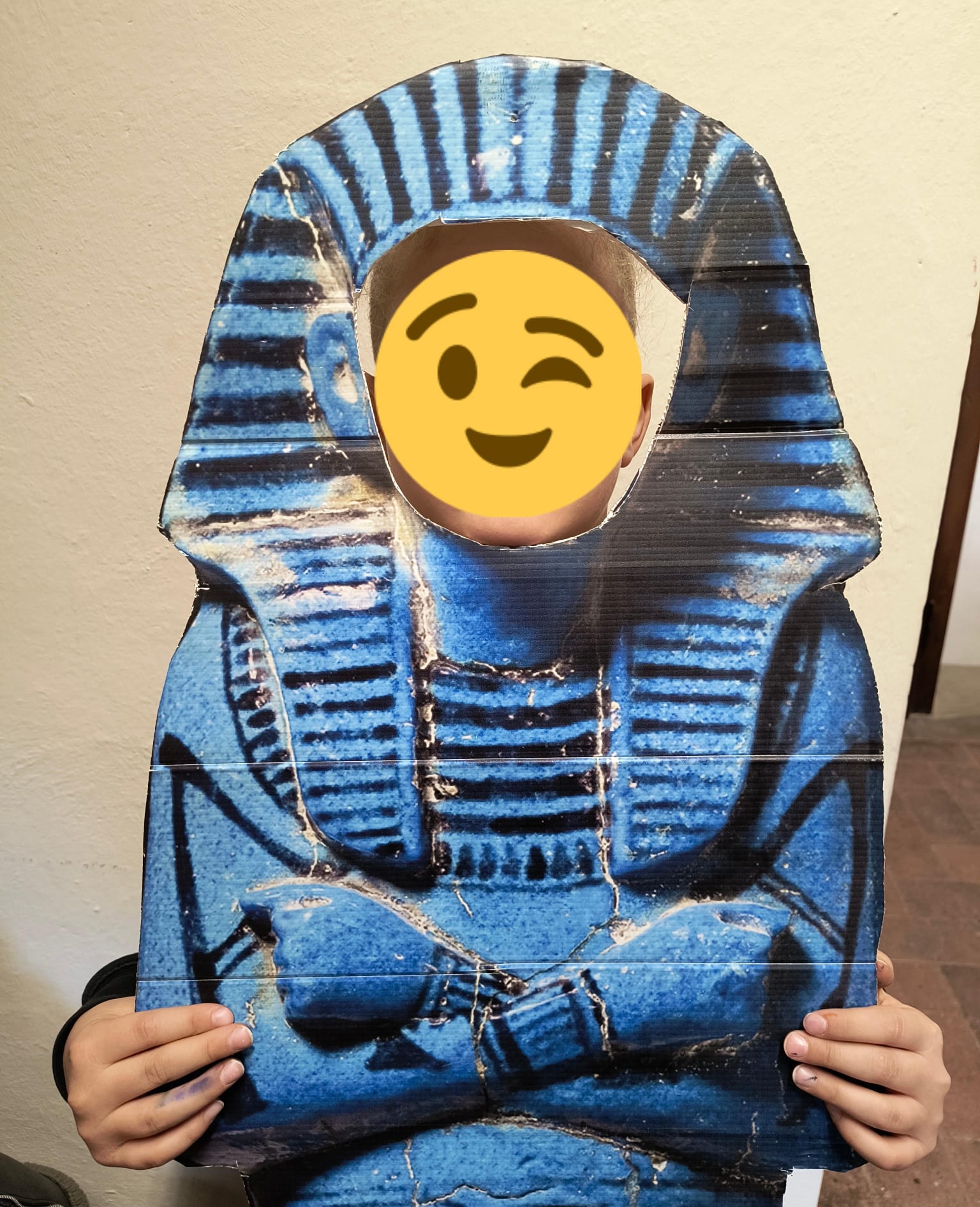
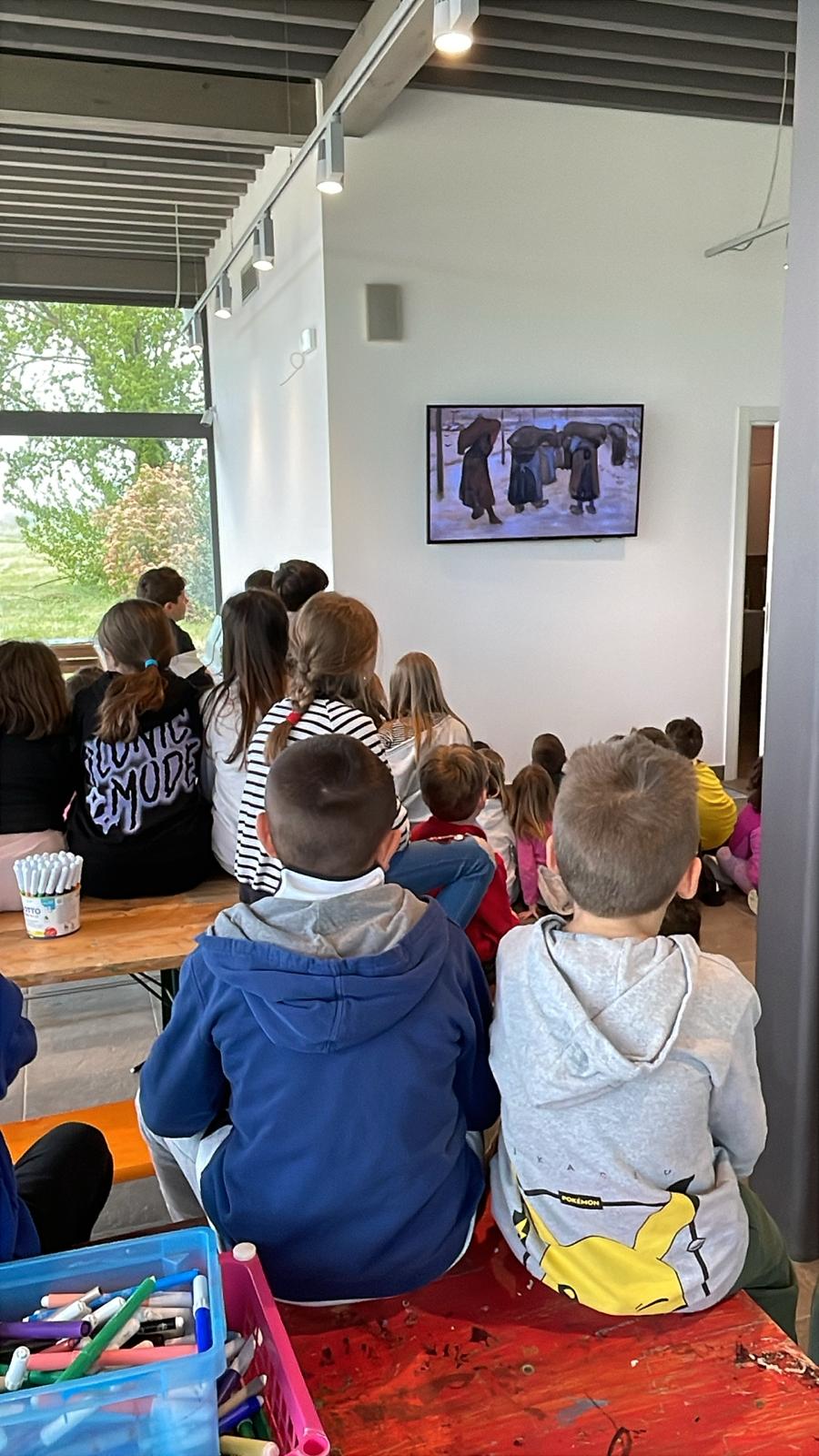
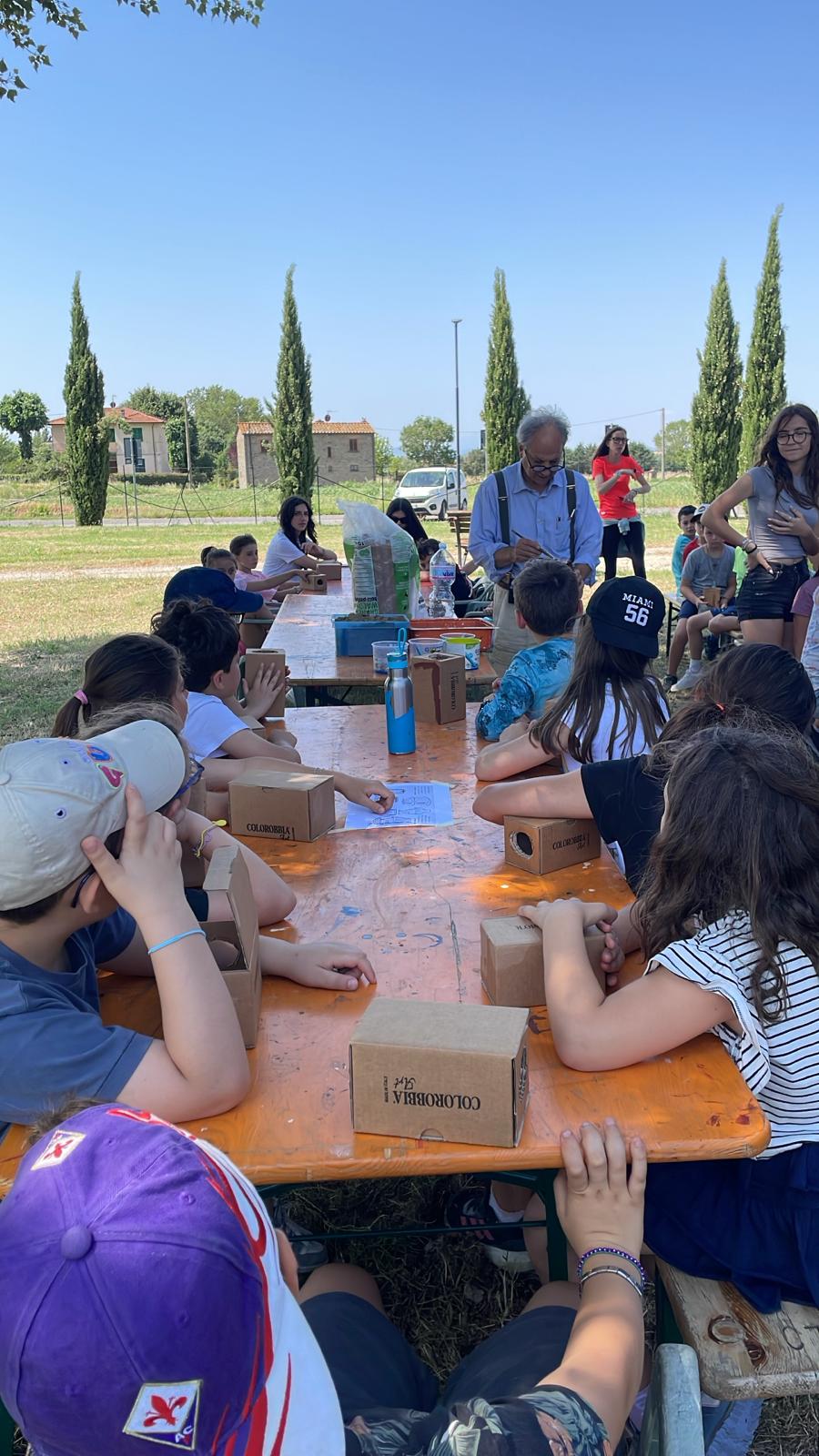
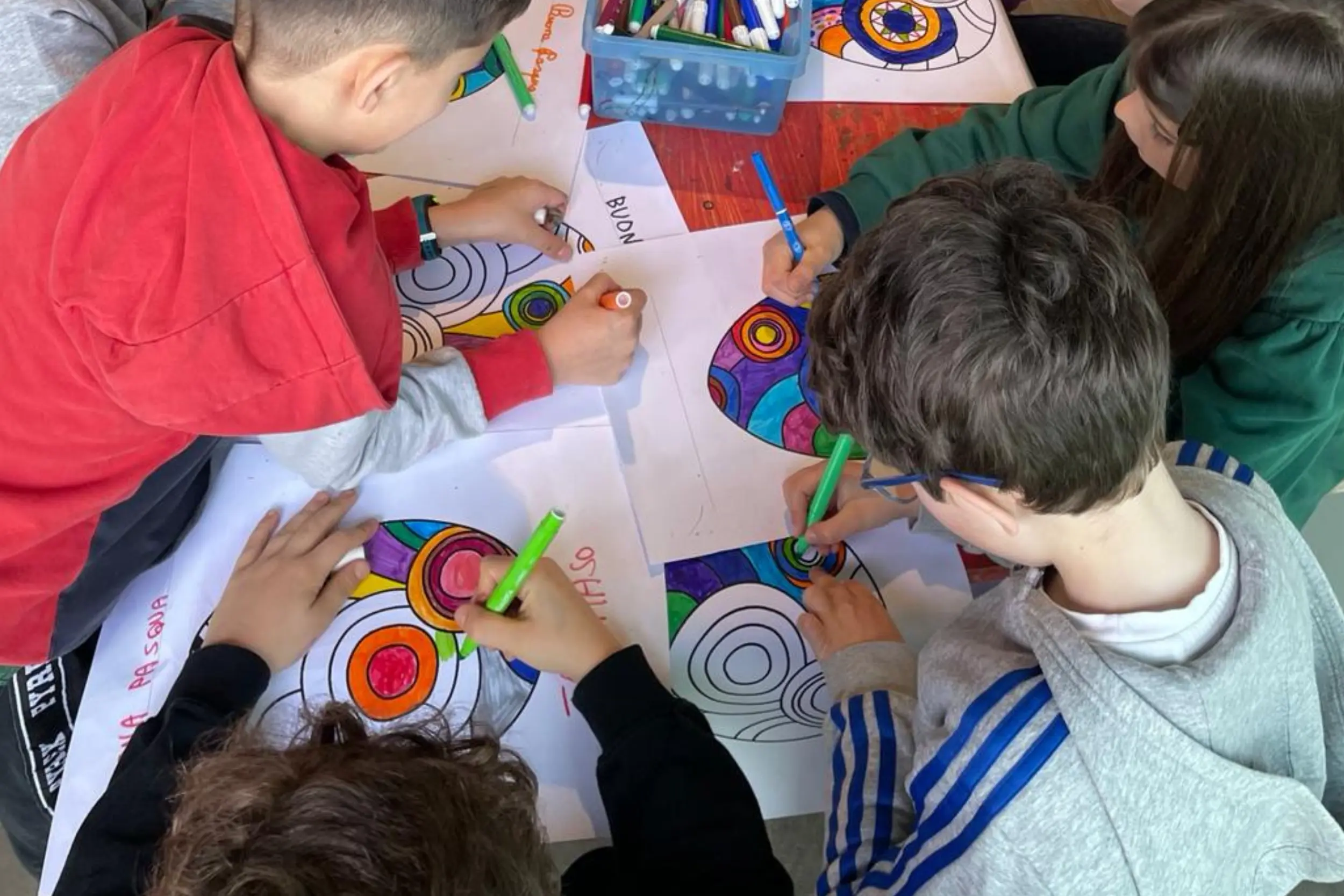
Each educational workshop is preceded by a guided tour of the selected collections, with which it is closely integrated. The workshops aim to present museum content in a scientifically accurate yet engaging way, emphasising a hands-on and participatory approach.
Activities are designed to create a direct dialogue between the objects on display and the places from which they originate, fostering an active understanding of heritage and its historical, artistic and archaeological context. Programmes include short workshops (approximately 3 hours) and full-day activities (approximately 5 hours), an ideal format for school trips.
Tactile visits for visitors with visual impairments
With the aim of promoting increasingly broad accessibility and inclusivity, the museum has developed dedicated tools – including tactile reproductions and materials, Braille labels and other specific supports – to offer tactile guided tours for visitors with visual impairments, as well as for anyone interested in experiencing alternative ways of engaging with works of art that involve senses other than sight.
Thanks to the specialised training of the museum staff, visits are tailored to the needs of participants and can be arranged for individual visitors or small groups.
Educational activities for leisure time and special occasions
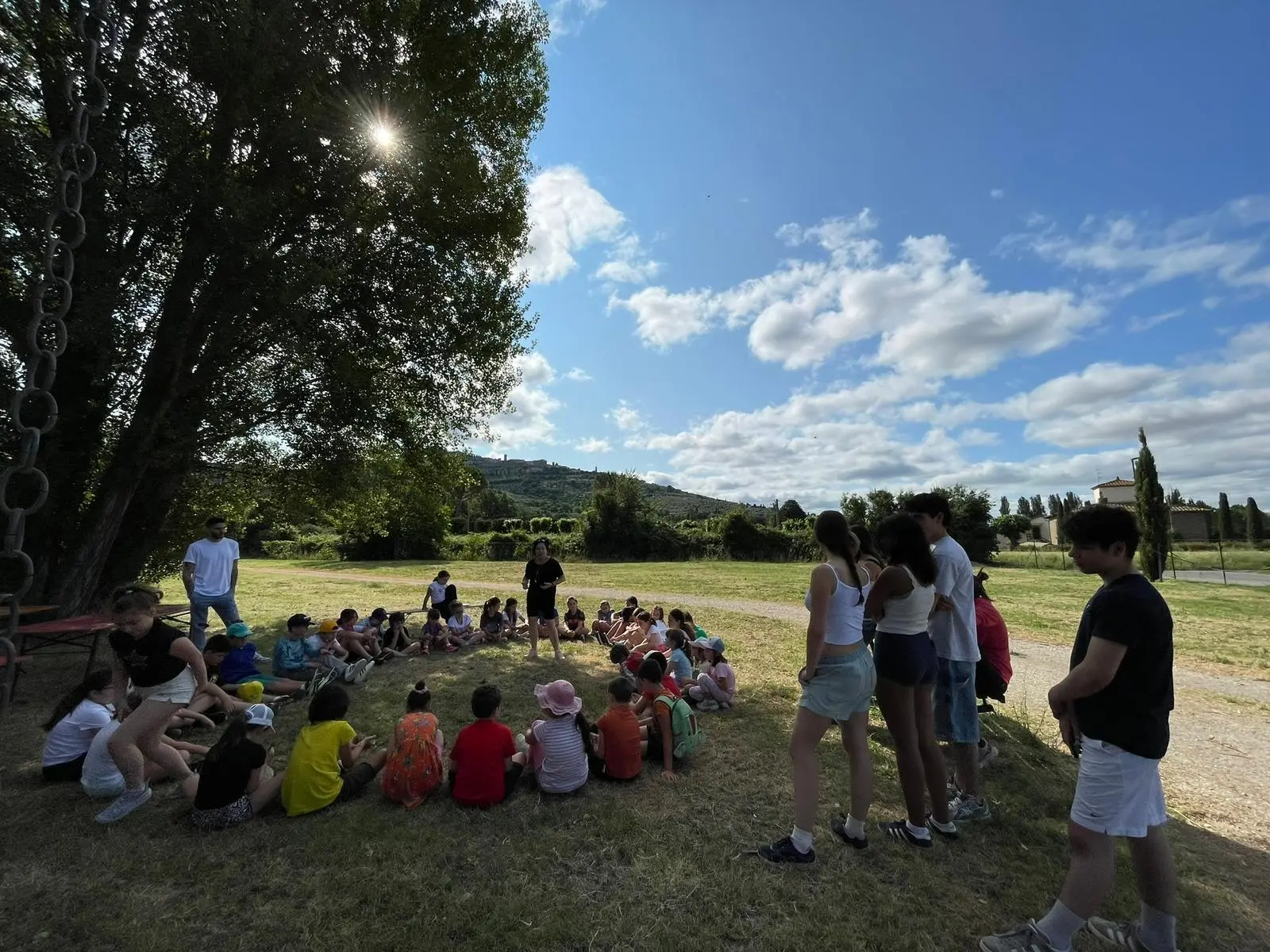
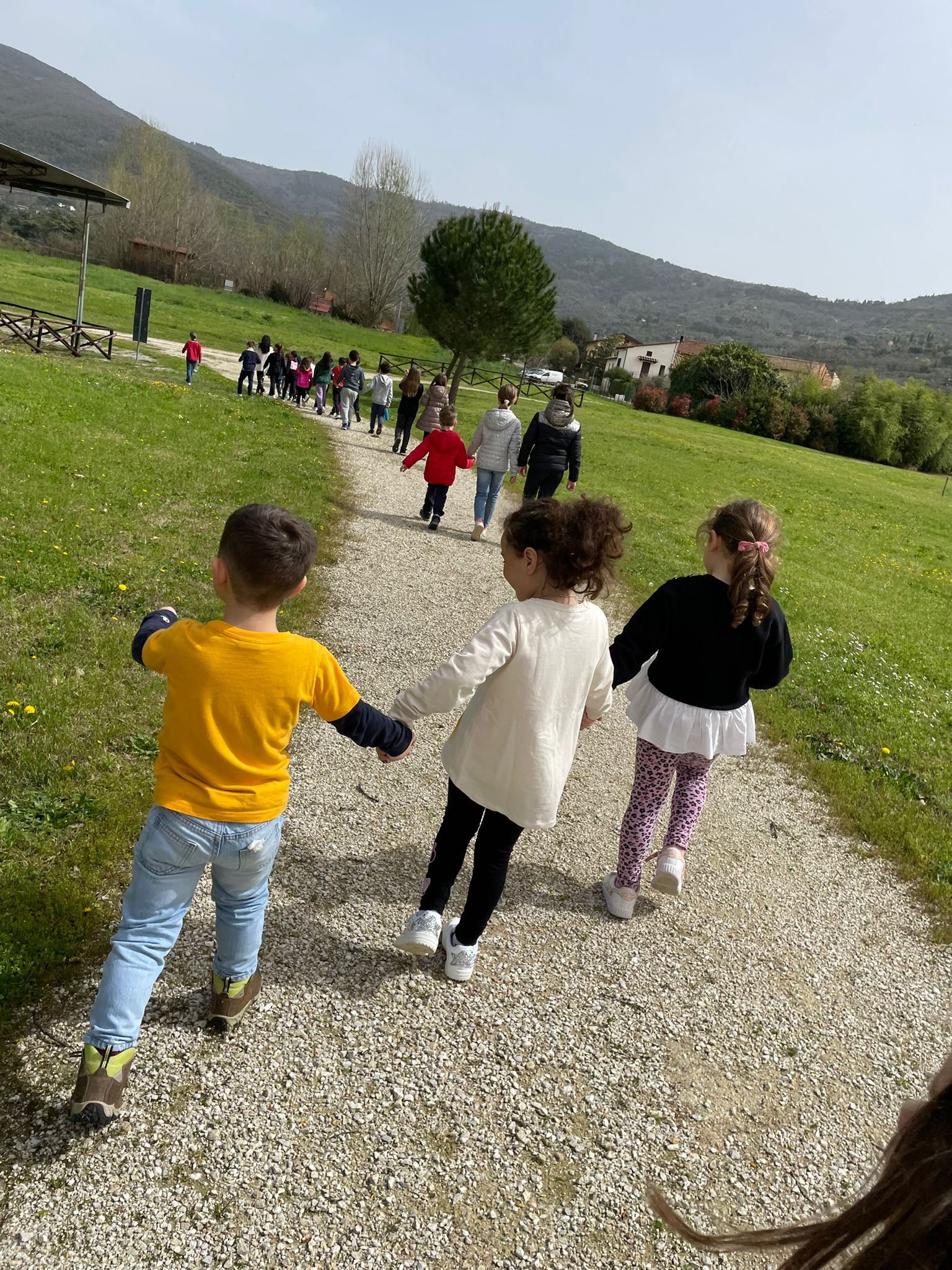
The museum also organises educational activities for leisure time, designed for periods when school activities are suspended such as the Christmas and Easter holidays, the summer period, as well as for special occasions throughout the year.
The museum also organises educational activities for leisure time, designed for periods when school activities are suspended – such as the Christmas and Easter holidays and the summer period – as well as for special occasions throughout the year.
Some initiatives have become well-established recurring events, such as Campus and ArcheoJunior; others are linked to events, temporary exhibitions and special programmes organised by the MAEC or promoted by national and regional institutions, including the MiC (such as the European Heritage Days), the Regione Toscana (Amico Museo, Le Notti dell’Archeologia), and other partner organisations. These activities address a broad, diverse and intergenerational audience.