
From Medieval Palace to International Museum
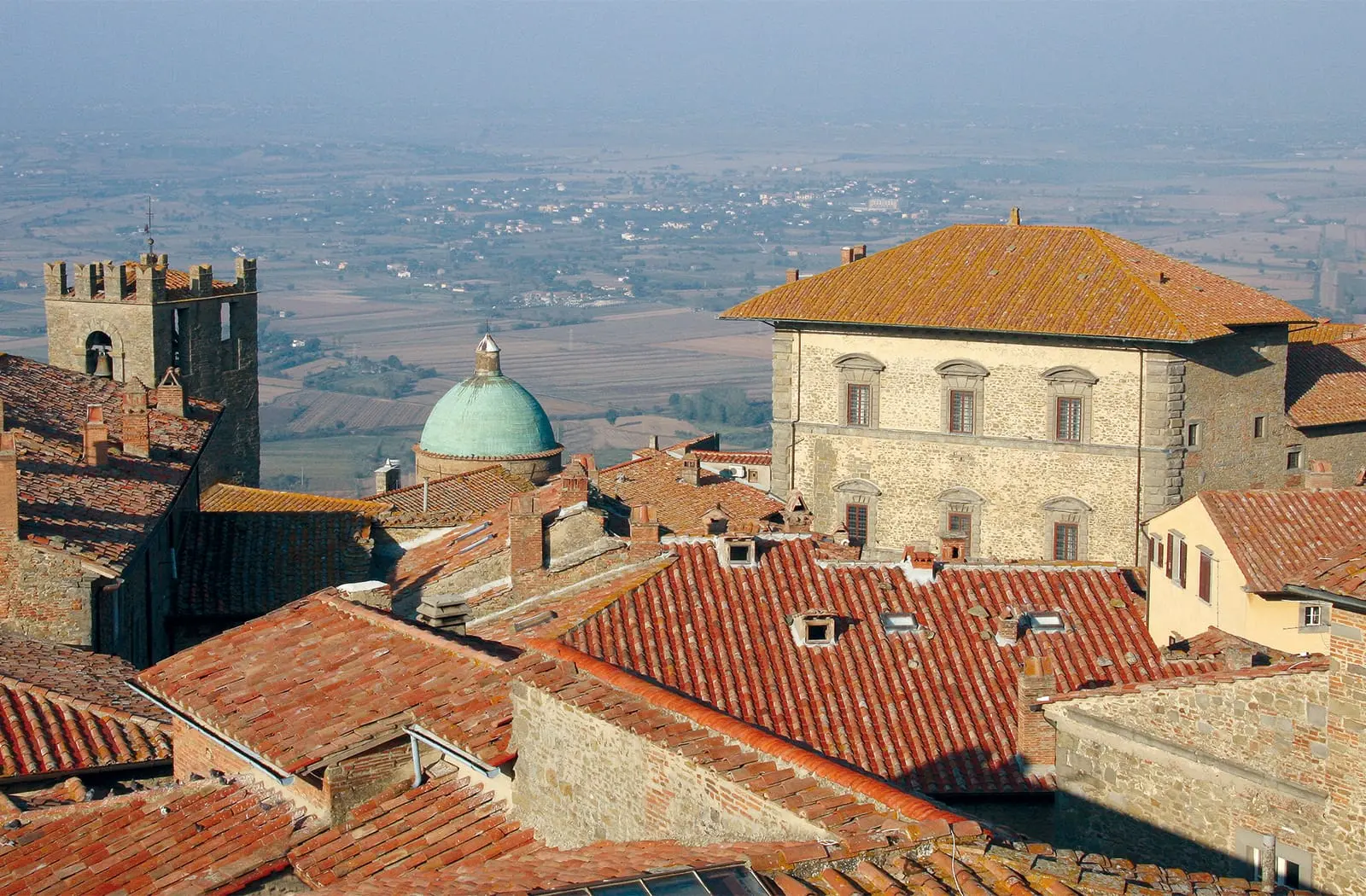
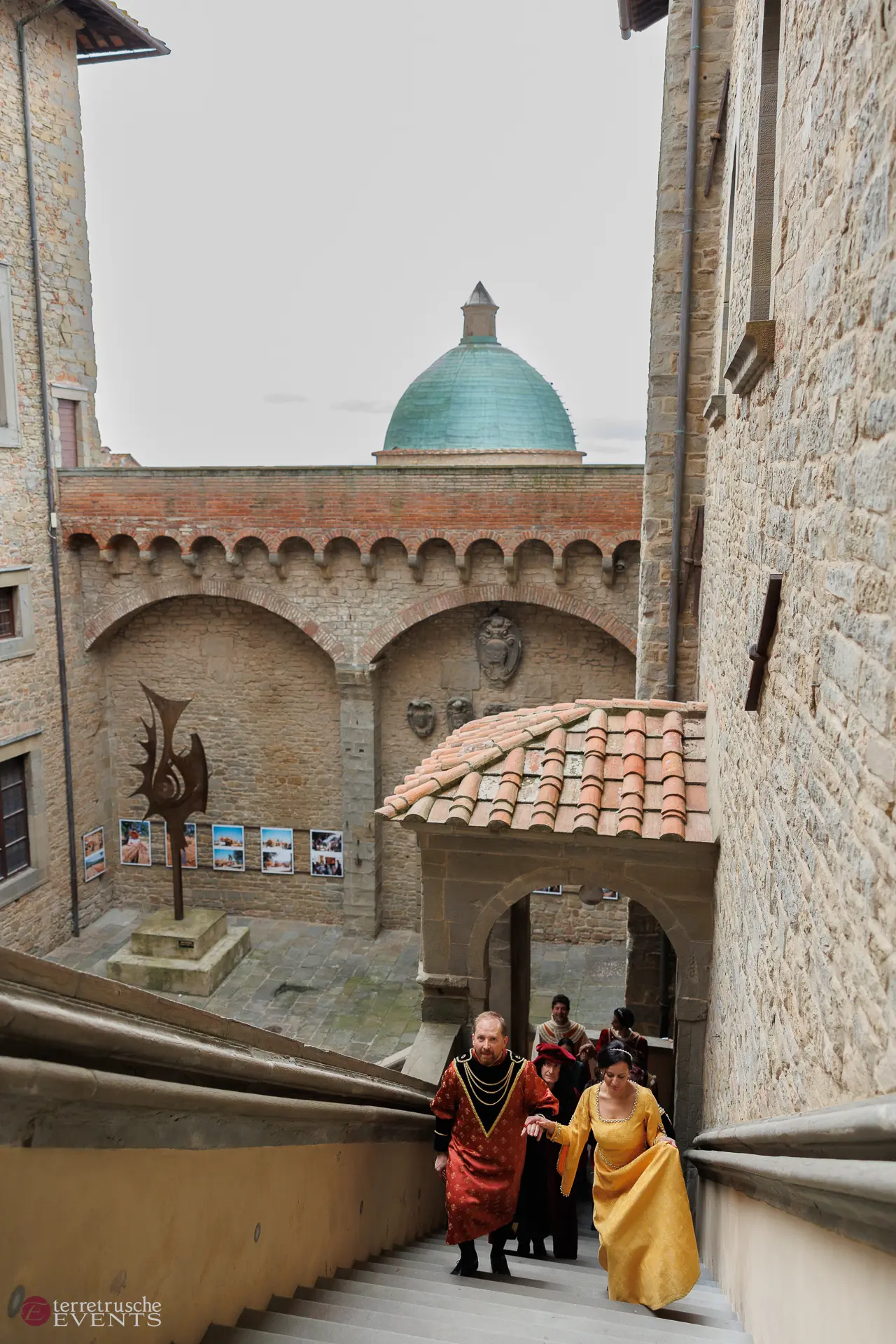
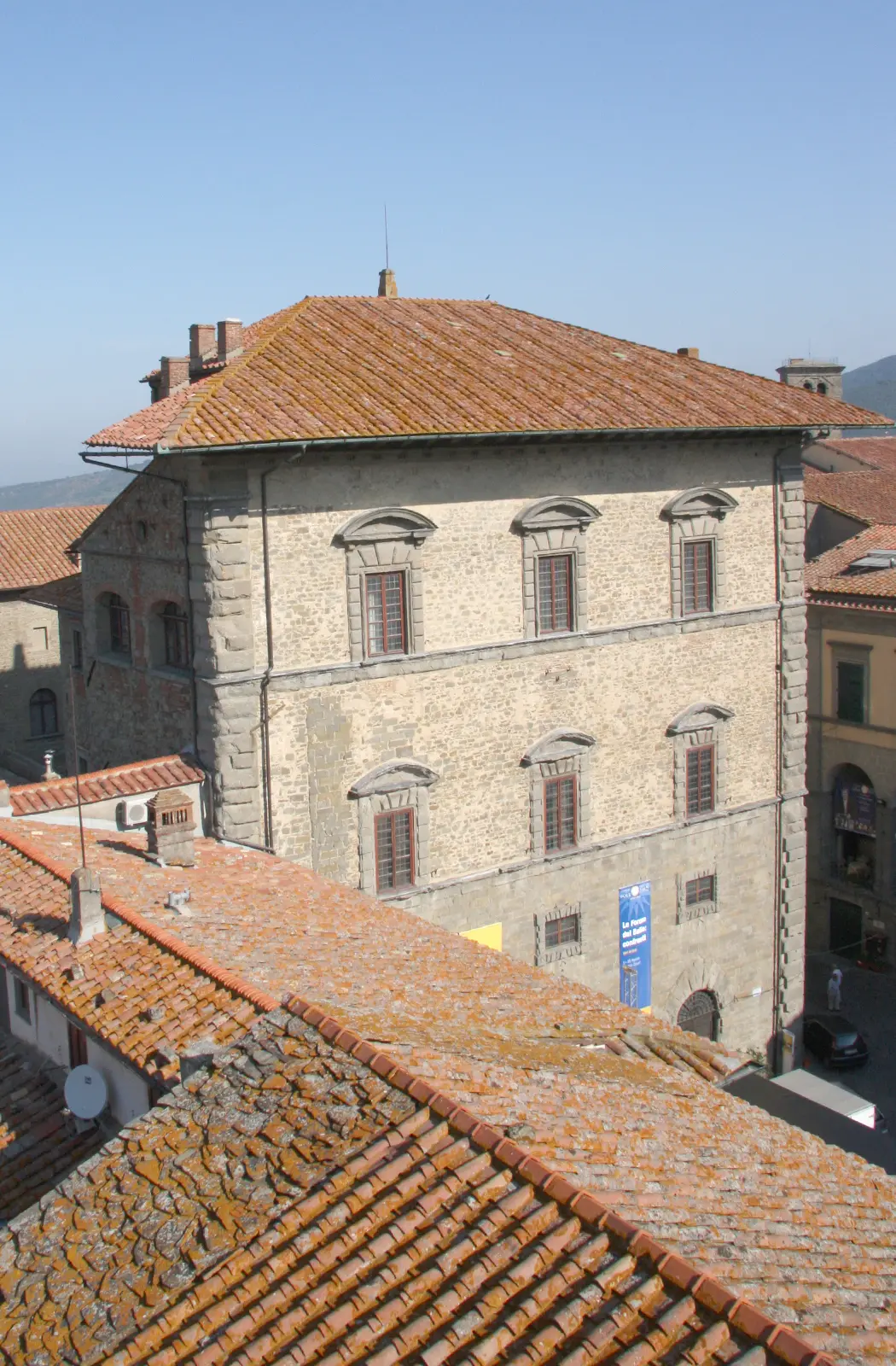
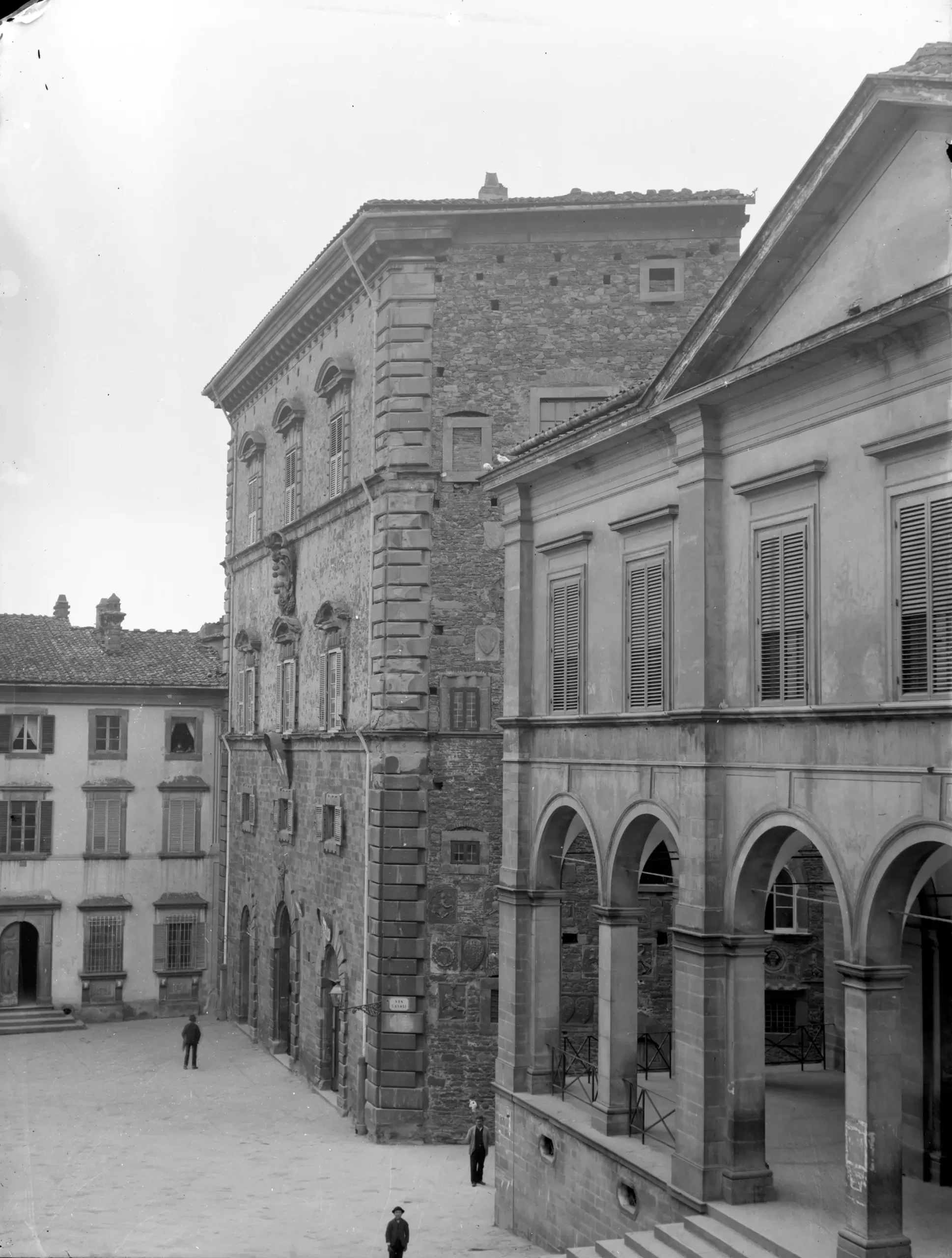
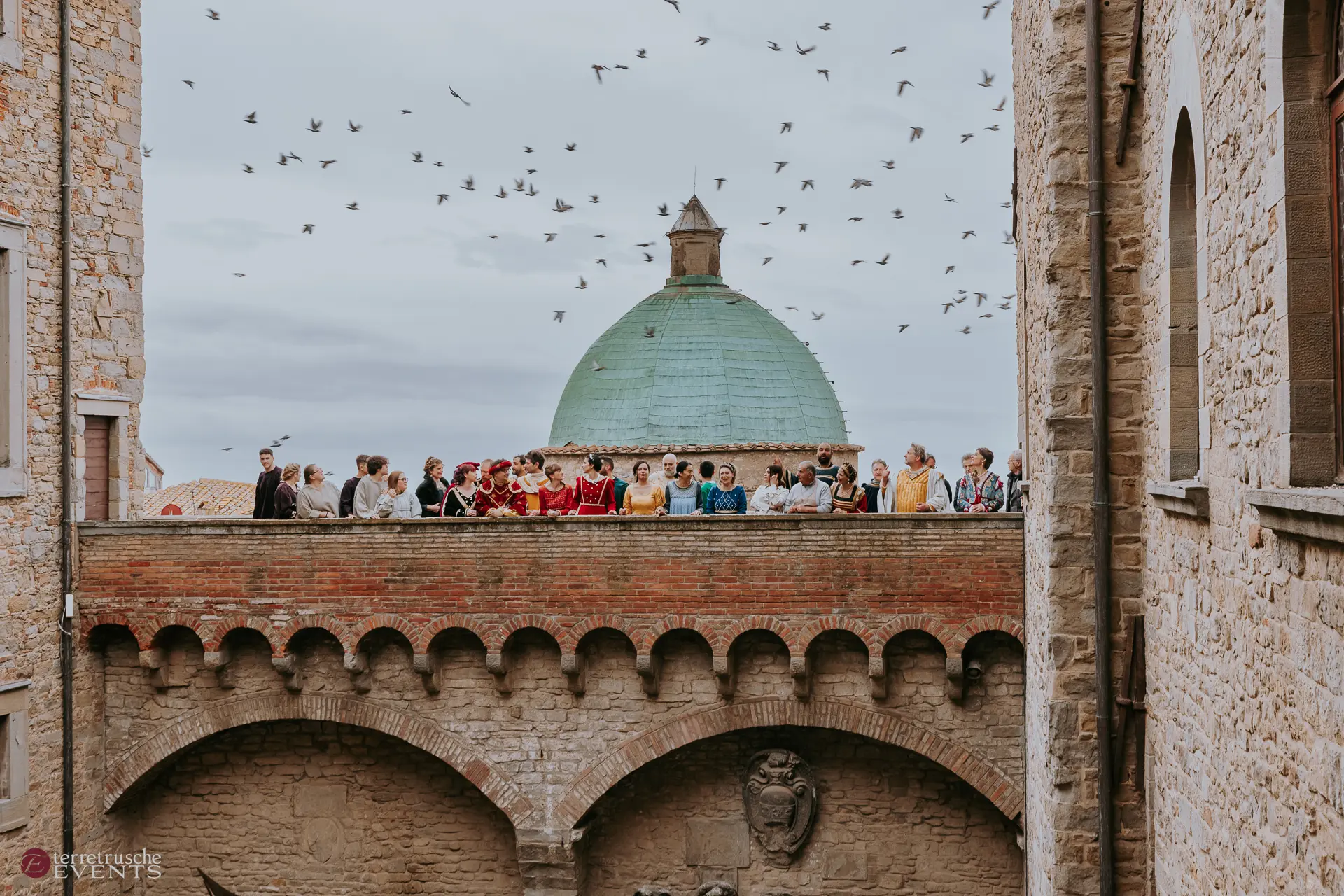
Between Piazza Signorelli and Piazza della Repubblica rises Palazzo Casali, one of Cortona’s landmark buildings. Built in the 13th century by the Casali family as their noble residence, it later became the seat of Florentine governors and still preserves numerous coats of arms on its façades and in the inner courtyard. Since 1728 it has housed the Accademia Etrusca and its museum, the cultural heart of the city.
The underground levels, once used as prisons, now host the Museum of the Accademia Etrusca and the City of Cortona, while the piano nobile preserves the library and the municipal historical archive. Together, these spaces form the MAEC – Museum of the Accademia Etrusca and the City of Cortona.
Origins: An Enlightened Donation
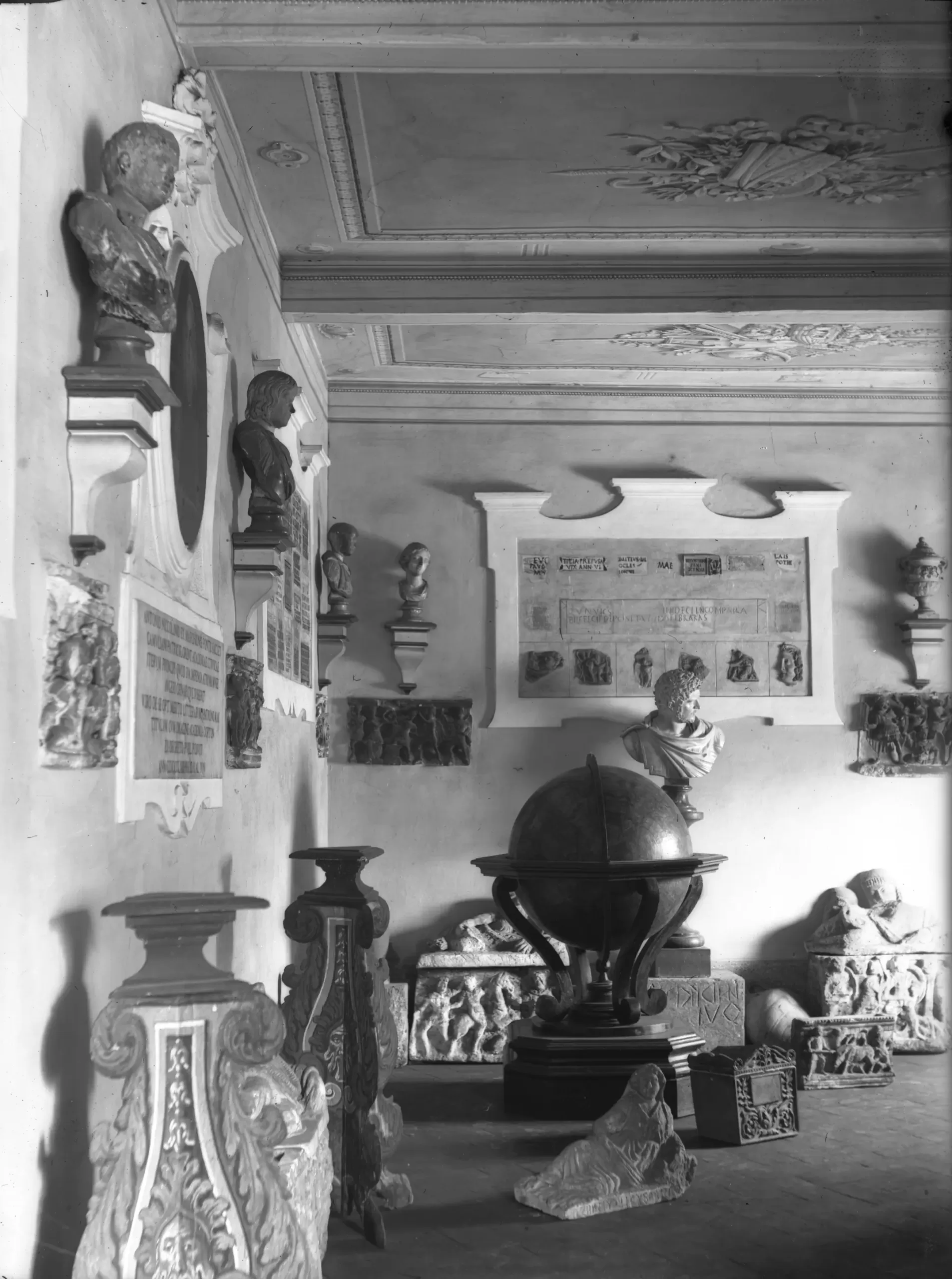
The museum was founded in 1727, when Abbot Onofrio Baldelli donated his collection of books and antiquities to the newly established Accademia, created by the Venuti brothers. Thanks to the support of Grand Duke Gian Gastone de’ Medici, the collection was given a permanent home in Palazzo Casali, thus creating one of the first public museums in Europe.
The Accademia Etrusca and International Fame
During the 18th and 19th centuries, the museum was enriched with new collections, donations, and bequests, including the precious porcelain temple by Carlo Ginori and Egyptian artifacts collected by Bishop Guido Corbelli. Thanks to its network of Italian and European scholars, the Accademia Etrusca contributed to spreading Cortona’s reputation far beyond national borders.
The Twentieth Century and New Collections
After Italian Unification, the museum continued to expand with the acquisition of significant private collections, including the Tommasi-Baldelli Collection. In the 1940s it occupied the entire piano nobile of the palace and, more recently, welcomed works by Gino Severini, the Futurist master born in Cortona.
A New Identity: the MAEC
Un momento cruciale arrivò nel 1995, con l’esposizione dei ricchi corredi funerari provenienti dal Melone del Sodo II, una delle più importanti tombe etrusche dell’area cortonese. Questo evento diede nuovo impulso alla trasformazione del museo, culminata nel 2005 con la nascita ufficiale del MAEC.
Today, the Museum of the Accademia Etrusca and the City of Cortona stands as a benchmark for the study of the Etruscan world and the promotion of Cortona’s historical and artistic heritage—a place where past and present engage in dialogue, continuing to tell the story of a city at the crossroads of European culture.
Today, the Accademia Etrusca, with its collections and cultural tradition, and the Municipality of Cortona, with its commitment to safeguarding and promoting heritage, work together to ensure the MAEC retains its central role in the cultural life of the city.